Sweet Potato Pudding
I remember the first time I tasted a warm slice of sweet potato pudding: steam lifting sweet, caramelized aromas of ginger and cinnamon, a tender, almost custardy interior that yielded under my fork, and a subtle coconut creaminess that made each bite feel indulgent yet wholly comforting. Many home cooks hesitate because they think desserts like this require pastry skills or special equipment, but this recipe is intentionally straightforward. I’ll show you how to coax restaurant-worthy texture and complex flavor from pantry-friendly ingredients, so you can serve something elegant without fuss.
A Quick Look at This Sweet Potato Pudding Recipe
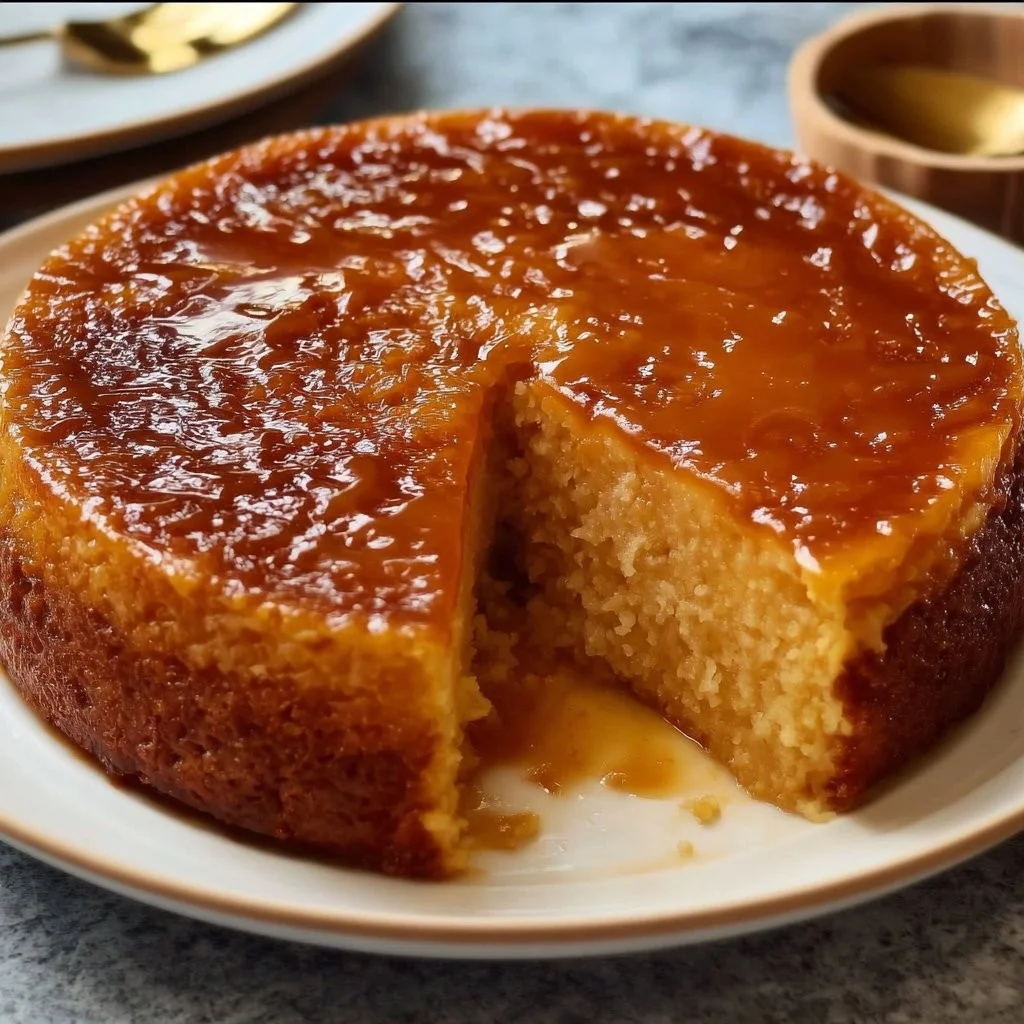
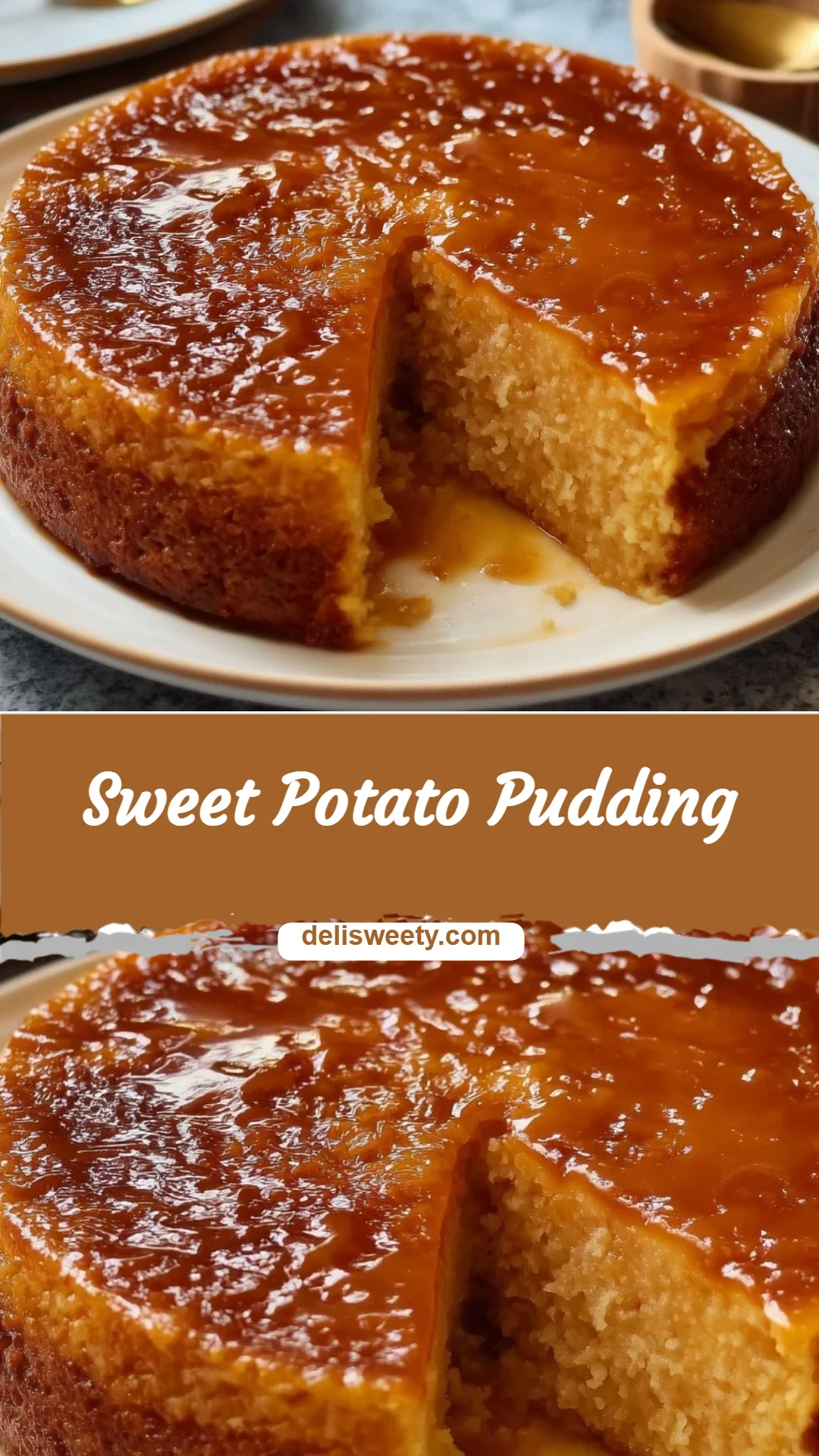
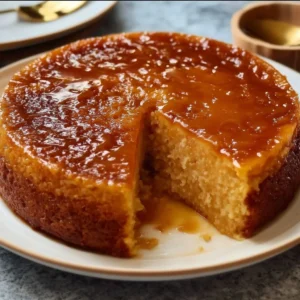
This Sweet Potato Pudding is defined by two bold notes: freshly grated ginger, which lends a bright, peppery lift, and creamy coconut milk, which gives the pudding its silkiness and gentle tropical warmth. The pudding presents beautifully—golden on top, tender at its core—making it perfect for dinner parties or a quietly luxurious weeknight dessert. It’s also forgiving: simple mixing, a single baking dish, and a predictable oven time make it achievable for cooks of any skill level. If you enjoy desserts that balance spice, sweetness, and texture, this rendition of sweet potato pudding will likely become one of your go-to recipes.
Ingredients You’ll Need for Sweet Potato Pudding
Essentials
- 1.5 pounds sweet potatoes, peeled and grated — Choose firm, fresh sweet potatoes (also called yams in some markets) with smooth skin; their natural sweetness and moisture are the backbone of the pudding’s flavor and texture.
- 0.5 pound yam, peeled and grated — A second starchy root adds subtle texture contrast and helps the pudding set more evenly.
- 3 tablespoons freshly grated ginger — Fresh ginger provides bright, sharp aromatics you won’t get from dried ginger; it’s central to the pudding’s personality.
- 1 teaspoon ground cinnamon — Adds warmth and a slightly savory depth; choose a sweet, aromatic Ceylon or good-quality cassia.
- 1 cup coconut milk — Use full-fat canned coconut milk for richness and a luxurious mouthfeel; it deepens the flavor and helps bind the pudding.
- 1 cup sugar — Granulated sugar sweetens and aids in the caramelized top; you can reduce slightly if you prefer less sweetness, but don’t cut it too low or the texture will be affected.
- 1 cup all-purpose flour — Provides structure and helps the pudding hold together after baking.
- 1/2 teaspoon salt — Balances and sharpens the sweet and aromatic notes.
- 1 teaspoon vanilla extract — A finishing whisper of vanilla rounds and elevates the flavor profile.
Quality matters: choose ripe, vibrant root vegetables, freshly grated ginger, and full-fat coconut milk for the best results.
Optional Add-ons
- Toasted coconut flakes — Sprinkle on top just before serving for crunch and visual contrast.
- Toasted pecans or macadamia nuts — Offer a buttery crunch that pairs beautifully with the pudding’s creaminess.
- Citrus zest (orange or lime) — A little zest folded into the batter or scattered on top adds a bright, aromatic lift.
- Warm brown sugar drizzle — Mix a little melted butter and dark brown sugar and spoon over warmed slices for a caramel note.
- A pinch of ground nutmeg or cardamom — For an extra layer of spice complexity; add sparingly so the ginger remains the star.
- Dollop of thick yogurt or coconut cream — For serving, to balance the sweetness with a tangy or extra-creamy counterpoint.
These add-ons elevate the dish visually and texturally without adding complicated steps.
Substitutions and Shortcuts
- Substitute for coconut milk: If you don’t have coconut milk, use full-fat evaporated milk or a blend of half milk and half cream. The flavor will be less tropical but still rich.
- Sweetener swap: Use coconut sugar or cane sugar as a one-to-one substitute for a deeper, molasses-like flavor. Reduce by 10–20% if you prefer less sweetness.
- Flour alternatives: For a gluten-free option, use a 1:1 gluten-free all-purpose flour blend. Note: texture may be slightly different and may need a few extra minutes in the oven.
- Pre-grated shortcut: Save time with store-bought grated sweet potatoes if available and fresh; pat them dry with paper towels if they’re overly wet to avoid a watery pudding.
- Grating shortcut: Use the shredding disk of a food processor to grate the sweet potatoes quickly and uniformly.
- Make-ahead: The batter can be mixed and refrigerated for up to 24 hours; bring to room temperature and give a gentle stir before baking.
These swaps keep the preparation accessible while preserving the elegant flavor profile.
How to Make Sweet Potato Pudding Step-by-Step
Prepare your oven and pan. Preheat the oven to 350°F (175°C) and grease a 9×9-inch baking dish with a light coating of butter or neutral oil. Heating the oven in advance ensures an even rise and a nicely caramelized top.
Grate the roots and prepare the ginger. Using a box grater or the shredding disk of a food processor, grate the sweet potatoes and yam into a large bowl. Grating creates small, uniform strands that yield a tender interior and allow the flavors to meld. Add the freshly grated ginger to the bowl; its juices will bloom against the warm batter during baking.
Combine dry ingredients. In a separate bowl, whisk together the all-purpose flour, sugar, ground cinnamon, and salt. Whisking aerates the flour slightly and helps disperse the cinnamon evenly so every bite has balanced spice.
Mix wet and dry components. Make a well in the center of the dry ingredients and pour in the coconut milk and vanilla extract. Stir gently until you form a cohesive batter, then fold in the grated sweet potatoes and yam. Mix until every strand is coated—this ensures even moisture distribution and a consistent set throughout the dish. The batter should feel dense but moist.
Transfer and level. Pour the mixture into the prepared 9×9 baking dish and use a spatula to smooth the top so it bakes evenly. A level surface produces a uniform crust and helps you gauge doneness more reliably.
Bake until set. Slide the dish into the preheated oven and bake for 45–60 minutes. The range accounts for differences in ovens and moisture content from the root vegetables. You’re looking for a top that’s golden and fragrant; the center should be set to the touch and not overly jiggly. A thin skewer inserted into the center should come out mostly clean with a few moist crumbs—not wet batter.
Cool before serving. Remove the pudding from the oven and let it cool for 15–20 minutes in the dish. Cooling allows the structure to firm up and makes slicing cleaner. Serve warm with your chosen garnish or a simple spoonful of coconut cream or yogurt.
Why each step matters: preheating and greasing prevent sticking and ensure proper texture; grating and folding make the pudding tender; resting after baking allows flavors to settle and textures to stabilize.
Common Mistakes to Avoid
Baking is as much about timing and judgment as it is about ingredients. The following mistakes are common but easy to prevent; think of them as opportunities to refine your instincts and get reliably beautiful results.
Mistake 1: Overly wet batter
If the grated sweet potatoes release too much liquid, the pudding can become soggy and take much longer to set. I recommend patting excess moisture from pre-grated or extremely juicy roots with a clean kitchen towel or paper towels. If you suspect the mixture is too wet, add a tablespoon or two of flour to help absorb excess moisture and preserve structure.
Mistake 2: Underbaking the center
Pulling the pudding from the oven too soon often results in a runny center. Look for a golden top and test the center with a skewer—if it has a few moist crumbs, it’s done. Remember oven temperatures vary; if the edges are browning too quickly, lower the temperature by 10–15°F and extend the bake time.
Mistake 3: Skipping fresh ginger
Using dried or powdered ginger instead of freshly grated ginger changes the character of this pudding considerably. Fresh ginger adds brightness and a lively heat that balances the coconut and sugar. If you must substitute, use about 1/3 the amount in powdered form and add a touch more vanilla or citrus zest to compensate.
Serving Suggestions for Sweet Potato Pudding
This pudding is as visually satisfying as it is flavorful; with modest attention to plating and contrast, you can elevate it to a restaurant-quality finale.
Start by serving the pudding slightly warm to showcase its creamy interior and fragrant steam. A simple garnish or an accompaniment offers contrast—textural, temperature, or acidity—to make each bite sing.
Elegant Individual Servings
Use a sharp knife to cut the pudding into neat squares and serve each portion on a warmed plate. Add a small quenelle of coconut cream or thick yogurt to one side and sprinkle toasted coconut or chopped toasted nuts for crunch. The juxtaposition of warm pudding and cool cream feels deliberate and luxurious.
Family-Style Presentation
Serve the pudding from the baking dish at the center of the table, finished with a light dusting of cinnamon and a scattering of toasted nuts. Provide small dessert plates so guests can help themselves; this convivial style suits weeknight dinners and holiday tables alike.
Seasonal Pairings
For autumn or winter gatherings, pair the pudding with a fruit compote—think orange-vanilla cranberry or spiced pear—to introduce bright acidity. For a lighter summer presentation, top each slice with a spoonful of lime-scented coconut cream and a few fresh berries.
##
Conclusion
I love how this Sweet Potato Pudding manages to feel both nostalgic and refined—an approachable recipe that rewards a little care with a deeply satisfying balance of spice, sweetness, and silkiness. It’s forgiving enough for weeknight baking yet impressive for guests, and it’s flexible: add citrus zest, toasted nuts, or a dollop of cream to make it your own. If you’re curious about variations rooted in different culinary traditions, I often look to other takes for inspiration—one lovely reference is Serena Lissy’s Jamaican Sweet Potato Pudding, which showcases regional techniques and flavors that you may want to explore. I hope this recipe builds your confidence and becomes a dish you return to for both comfort and celebration—now go preheat your oven and enjoy the reassurance of a beautifully simple dessert.
FAQs About Sweet Potato Pudding
Sweet Potato Pudding will keep well-covered in the refrigerator for 3–4 days. Store it in an airtight container or cover the baking dish tightly with plastic wrap to prevent it from absorbing other odors. Reheat gently in a low oven or microwave until warmed through; adding a splash of coconut milk before reheating can help revive the creamy texture.
Yes—you can freeze Sweet Potato Pudding for longer storage. Allow it to cool completely, then cut into portions and wrap each piece tightly in plastic wrap and foil, or store in an airtight freezer container for up to 2 months. Thaw overnight in the refrigerator and reheat slowly to preserve texture; avoid high heat to prevent drying.
The recipe as written uses all-purpose flour, so it is not gluten-free. However, you can substitute a 1:1 gluten-free all-purpose flour blend and expect similar results. Be mindful that some blends contain xanthan gum, which can slightly change the texture; in my experience, the difference is minor and the pudding remains tender and delicious.
You can reduce the sugar by about 10–20% if you prefer a less-sweet dessert, but be cautious: sugar contributes to both flavor and the browning of the top. If you reduce sugar significantly, consider increasing a warm spice like cinnamon or adding a touch of orange zest to enhance perceived sweetness without adding more sugar.
Look for a golden, fragrant top and a center that’s set to the touch—slightly springy but not wobbly. Insert a thin skewer or knife near the center; it should come out with moist crumbs rather than wet batter. If the edges are browning too quickly while the center remains soft, lower the oven temperature by 10–15°F and continue baking until the skewer test passes.
Sweet Potato Pudding
Ingredients
Essentials
- 1.5 pounds sweet potatoes, peeled and grated Choose firm, fresh sweet potatoes with smooth skin.
- 0.5 pound yam, peeled and grated A second starchy root adds subtle texture contrast.
- 3 tablespoons freshly grated ginger Fresh ginger provides bright, sharp aromatics.
- 1 teaspoon ground cinnamon Choose a sweet, aromatic variety for best flavor.
- 1 cup coconut milk Use full-fat canned for richness.
- 1 cup sugar Granulated sugar for sweetness and caramelization.
- 1 cup all-purpose flour Provides structure.
- 1/2 teaspoon salt Balances and sharpens the sweet notes.
- 1 teaspoon vanilla extract Rounds and elevates the flavor.
Optional Add-ons
- Toasted coconut flakes For crunch and visual contrast.
- Toasted pecans or macadamia nuts Add buttery crunch.
- Citrus zest (orange or lime) For a bright, aromatic lift.
- Warm brown sugar drizzle Mix melted butter and dark brown sugar for caramel flavor.
- A pinch of ground nutmeg or cardamom For extra spice complexity; use sparingly.
- Dollop of thick yogurt or coconut cream To balance sweetness.
Instructions
Preparation
- Preheat the oven to 350°F (175°C) and grease a 9×9-inch baking dish.
- Grate the sweet potatoes and yam into a large bowl and mix in the grated ginger.
Mixing Ingredients
- In a separate bowl, whisk together flour, sugar, cinnamon, and salt.
- Make a well in the center of the dry ingredients and pour in coconut milk and vanilla extract; stir until cohesive.
- Fold in the grated sweet potatoes and yam.
Baking
- Pour the batter into the prepared dish and smooth the top.
- Bake for 45–60 minutes until the top is golden and a skewer inserted comes out mostly clean.
- Let it cool for 15–20 minutes before serving.