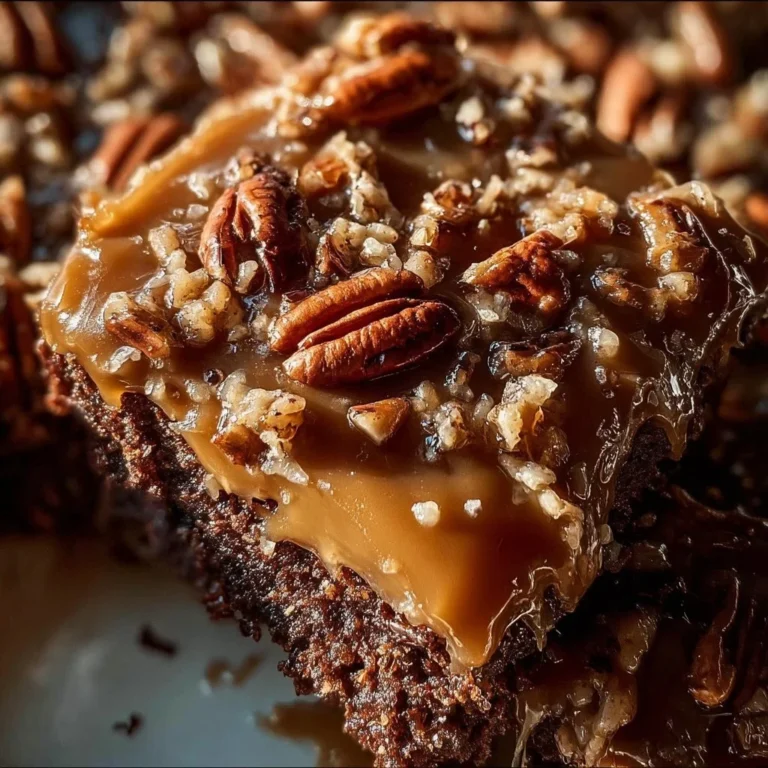

Starbucks Style Lemon Loaf Cake
Have you ever wanted a slice of bakery comfort that smells like sunshine and takes you back to a lazy Sunday morning? I remember once burning my first attempt at lemon drizzle and laughing it off while my kitchen filled with the sharp, happy scent of lemon — a small kitchen disaster that turned into a lesson. If you’re a beginner who’s worried about measuring, mixing, or getting a perfect glaze, I promise this Starbucks Style Lemon Loaf Cake is easier than it looks. It’s forgiving, quick to make, and the reward is a moist, tangy loaf that practically begs for a hot mug beside it.
A Quick Look at This Starbucks Style Lemon Loaf Cake Recipe
This Starbucks Style Lemon Loaf Cake is centered around two main ingredients: butter (or margarine) and fresh lemon (zest and juice). It’s comfort food with a bright twist — a moist, buttery cake finished with a lemon syrup and icing that keeps slices tender and flavorful. The recipe is great for home cooks and beginners because it uses simple methods (creaming, folding, and a straightforward glaze) and common pantry staples. It’s also a handy bake for tea time, brunch, or for gifting because it travels well and keeps its texture. Keep reading to learn exact tips that make this loaf foolproof and bakery-worthy.
Ingredients You’ll Need for Starbucks Style Lemon Loaf Cake
Below I break the ingredient list into what’s essential, fun optional add-ons, and helpful substitutions so you can tailor the loaf to what you already have.
Essentials
- 225g margarine or unsalted butter, softened — this gives the cake its tender, rich crumb. Unsalted butter is my personal choice for flavor control.
- 225g caster sugar — fine sugar dissolves nicely for an even texture. You can use fine granulated sugar if caster isn’t available.
- 4 large eggs, room temperature — eggs help structure and moisture. Taking them to room temp makes them blend more evenly.
- 225g self-raising flour — self-raising flour already contains the correct amount of raising agent for this loaf. If you don’t have it, see substitutions below.
- Zest of 1 lemon — the zest adds fragrant lemon oils that brighten every bite. Use unwaxed lemons or wash them well.
- 50g icing sugar + 50ml lemon juice (for the lemon syrup) — this simple syrup soaks into the cake to lock in moisture and boost lemon flavor.
- 250g icing sugar (more if needed), 1 tbsp lemon juice, 1 tbsp milk (for the lemon icing) — this makes a glossy glaze to finish the loaf. Adjust icing sugar to reach your preferred thickness.
Optional add-ons
- 1–2 tsp poppy seeds for a classic lemon-poppy loaf variation. They add a pleasant crunch and visual interest.
- 1 tsp vanilla extract or a pinch of almond extract for a subtly different aroma. I only use these if I want a warmer flavor note.
- 1–2 tbsp soured cream or Greek yogurt folded into the batter for extra softness. Add carefully so the batter isn’t too loose.
- Fresh blueberries or raspberries (about 75–100g) folded in for a fruity twist — toss berries in a little flour first to prevent sinking.
- A light streusel on top before baking for a crunchy finish — mix 30g butter, 30g flour, 30g sugar until crumbly and sprinkle on top.
Substitutions and shortcuts
- Butter vs. margarine: Either works. Use unsalted butter for best flavor. If using margarine, pick a baking block rather than a soft tub for better structure.
- Caster sugar substitute: Fine granulated sugar or superfine sugar is a fine swap. If you only have regular granulated sugar, pulse it in a blender for a few seconds.
- Self-raising flour: If you have plain (all-purpose) flour, make your own — for every 225g plain flour, add 1½ tsp baking powder and a pinch of salt, sifted together.
- Eggs: For an egg-free option, try a commercial egg replacer or use 4 tbsp applesauce + 1 tsp baking powder (texture will differ slightly).
- Lemon juice: Fresh lemon juice is best. Bottled lemon juice can be used in a pinch, but fresh zest is non-negotiable for that bright flavor.
- Quick glaze: If you’re short on time, use a store-bought lemon glaze or drizzle a simple powdered sugar + lemon mixture without the milk.
- Make-ahead shortcut: You can bake the loaf a day ahead and keep it covered in foil. Add the final icing just before serving to keep the sheen.
How to Make Starbucks Style Lemon Loaf Cake Step-by-Step
This section walks you through the recipe in a way that makes it hard to go wrong. Take your time with the creaming step and don’t be afraid to taste the lemon syrup if you want it brighter.
Prep the oven and pan
- Preheat the oven to 350°F (175°C). Position the rack in the middle so the loaf bakes evenly.
- Grease and line a 9×5″ loaf tin with parchment paper. Leave a little overhang on the long sides so you can lift the loaf out easily once cooled.
Soften and measure ingredients
- Make sure your butter or margarine is softened — it should give slightly when pressed but not be oily.
- Bring the eggs to room temperature by leaving them out for 20–30 minutes (or placing them in warm—not hot—water for a few minutes if you’re in a rush). Room-temperature eggs help the batter emulsify and remain airy.
Cream the butter and sugar
- In a large bowl (or stand mixer with paddle attachment), beat 225g softened butter and 225g caster sugar together on medium speed.
- Scrape the sides of the bowl occasionally. You’re aiming for a pale, light, and fluffy mixture — this traps air and gives the loaf lift. It often takes 3–5 minutes by hand or 2–3 minutes with a mixer.
Add the eggs one at a time
- Crack in one egg, beat until fully incorporated, then add the next. This gradual method prevents curdling and keeps the batter smooth.
- If the mixture looks a little separated after an egg, add a spoonful of the flour to help bring it back together, then continue.
Fold in flour and lemon zest
- Sift 225g self-raising flour over the butter mixture, then gently fold using a spatula. Use a light hand — overworking will make the cake dense.
- Add the zest of one lemon and fold just until there are no streaks of flour. The batter should be smooth but still a bit thick.
Pour batter and smooth the top
- Transfer the batter into your lined loaf tin and level the top with a spatula. Tap the tin gently on the counter to release large air bubbles.
- If you like a domed top, bake as is. If you prefer a flatter top for a neat glaze, level thoroughly.
Bake and test for doneness
- Bake for 45–50 minutes. Ovens vary, so start checking at 40 minutes. Insert a toothpick or skewer in the center; it should come out clean or with a few moist crumbs (not wet batter).
- If the top is browning too quickly, tent a piece of foil loosely over the loaf for the last 10–15 minutes.
Make the lemon syrup while the cake bakes
- In a small bowl, stir 50g icing sugar with 50ml lemon juice until smooth. This syrup should be pourable but not watery. If it feels too thick, add a teaspoon more lemon juice.
- The syrup soaks into the hot cake and keeps the crumb tender and punchy with lemon flavor.
Drizzle syrup into the warm loaf
- When the cake is out of the oven, let it sit in the tin for 5 minutes. Using the handle of a wooden spoon or a skewer, poke several holes across the top.
- Slowly pour or spoon the lemon syrup over the warm cake. The cake will absorb the syrup — don’t be shy. Let it cool fully in the tin so the syrup settles.
Make the lemon icing and finish
- In a clean bowl, combine 250g icing sugar, 1 tbsp lemon juice, and 1 tbsp milk. Stir until smooth. Add more icing sugar if it’s too runny, or a touch more milk if it’s too thick. Aim for a glaze that drips slowly.
- Once the loaf is fully cooled, lift it from the tin using the parchment overhang. Place on a wire rack with a tray beneath and drizzle the icing over the top. Let the glaze set for about 20–30 minutes before slicing.
Rest and slice
- For the best texture and neat slices, chill the loaf briefly (15–20 minutes) after glazing. Use a sharp serrated knife and slice with a gentle sawing motion.
- Store wrapped at room temperature for up to 3 days or in the fridge if your kitchen is warm. Bring to room temperature before serving for the best flavor.
Tips I rely on: measure ingredients accurately with a kitchen scale, avoid overmixing after adding flour, and use fresh lemons for zest and juice. Little details like parchment overhang and poking holes for syrup make a big difference.
Common Mistakes to Avoid
Even simple recipes have a few common pitfalls. I’ve learned the hard way so you don’t have to — here are the mistakes I see most and how to easily avoid them.
Mistake 1: Overmixing the batter
Overmixing after adding the flour will develop gluten and make the loaf tough. Fold gently until the flour is just combined. If you’re unsure, stop mixing when you still see one or two tiny streaks of flour; they’ll disappear with a few gentle folds.
Mistake 2: Not using room-temperature eggs and butter
Cold eggs and butter don’t incorporate well, which can lead to a curdled batter and uneven rise. Plan ahead: take eggs out 20–30 minutes before baking and soften butter until it’s slightly springy under your finger.
Mistake 3: Skipping the syrup or applying it too late
The lemon syrup is what makes this loaf uniquely moist and lemony. If you skip it or pour it over a fully cold cake, it won’t soak in properly. Pour the syrup while the cake is still warm for best results.
Serving Suggestions for Starbucks Style Lemon Loaf Cake
This loaf is wonderfully versatile. Here are a few ways I enjoy serving it and how to pair it for different occasions.
Whether it’s morning coffee, an afternoon tea, or a light dessert after dinner, this lemon loaf fits in. It looks pretty on a simple plate and feels special enough for guests.
With tea or coffee
Serve warm or at room temperature with a cup of strong coffee or a classic black tea like Earl Grey. The citrus counters the bitterness of coffee beautifully.
As part of a brunch spread
Slice and plate with fresh fruit, yogurt, and a selection of jams or preserves. Small slices pair well with a cheese board that includes mild cheeses like ricotta or mascarpone.
Turn it into dessert
Top slices with a spoonful of mascarpone or a scoop of vanilla ice cream and a drizzle of honey for a cozy dessert. Add a few fresh berries for color and a tart contrast.

Conclusion
I hope you’ll give this Starbucks Style Lemon Loaf Cake a try — it’s easier than it looks, and the lemon syrup step is the secret that makes it feel bakery-bought. I love that it’s customizable (add poppy seeds, berries, or a crunchy streusel if you want to experiment) and forgiving for bakers at any level. If you want a few more copycat variations or extra tips, I sometimes cross-check techniques with recipes like Starbucks Copycat Lemon Loaf – Yellow Bliss Road and Copycat Starbucks Lemon Loaf (+ Lemon Glaze) – Averie Cooks for inspiration. If you bake it, I’d love to hear how it turns out — leave a comment or share a photo so we can celebrate your loaf together.
FAQs About Starbucks Style Lemon Loaf Cake
Stored in an airtight container at room temperature, the cake will stay fresh for about 2–3 days. If it’s warm in your kitchen, pop it in the fridge and let it come to room temperature before serving. The lemon syrup helps keep it moist.
Yes. Use a 1:1 gluten-free all-purpose flour blend that includes xanthan gum and ensure it’s measured by weight. Baking times may vary slightly, so start checking at 40 minutes.
Absolutely. Wrap the fully cooled, unglazed loaf tightly in plastic wrap and then foil. Freeze for up to 3 months. Thaw overnight in the fridge and add the glaze just before serving.
You can reduce the caster sugar slightly (by around 25g) but remember sugar contributes to moistness and structure. If you reduce sugar, the cake might be a touch denser and less tender. Adjust the glaze sweetness separately to taste.
Use both zest and juice for balanced brightness. For extra lemon aroma, add ½ tsp lemon extract (optional) and increase the lemon syrup slightly. Taste the syrup before pouring so you can balance juice and sugar to avoid an overly sour finish.

Starbucks Style Lemon Loaf Cake
Ingredients
Essentials
- 225 g margarine or unsalted butter, softened Unsalted butter for flavor control.
- 225 g caster sugar Fine sugar dissolves nicely.
- 4 large eggs, room temperature Help structure and moisture.
- 225 g self-raising flour Already contains raising agent.
- 1 zest of lemon Use unwaxed lemons.
- 50 g icing sugar For lemon syrup.
- 50 ml lemon juice For lemon syrup.
- 250 g icing sugar For lemon icing.
- 1 tbsp lemon juice For lemon icing.
- 1 tbsp milk For lemon icing.
Optional add-ons
- 1-2 tsp poppy seeds For a classic lemon-poppy loaf.
- 1 tsp vanilla extract For a warmer flavor.
- 1-2 tbsp soured cream or Greek yogurt For extra softness.
- 75-100 g fresh blueberries or raspberries Folded in for a fruity twist.
- 30 g butter For streusel topping.
- 30 g flour For streusel topping.
- 30 g sugar For streusel topping.
Instructions
Preparation
- Preheat the oven to 350°F (175°C) and grease and line a 9×5″ loaf tin with parchment paper.
- Soften the butter or margarine and bring room temperature to the eggs.
Mixing
- In a large bowl, beat softened butter and caster sugar together until light and fluffy.
- Add eggs one at a time, mixing well after each addition.
- Fold in sifted self-raising flour and lemon zest gently until just combined.
Baking
- Pour the batter into the lined tin and smooth the top.
- Bake for 45-50 minutes, checking for doneness with a toothpick.
Making the Syrup and Icing
- Mix icing sugar with lemon juice to create the syrup while the cake bakes.
- Drizzle the syrup over the warm cake after baking.
- Make lemon icing by combining icing sugar, lemon juice, and milk until smooth.
Finishing
- Let the cake cool and then drizzle with the icing.
- Allow the glaze to set for 20-30 minutes before slicing.