School Cake
After a long day of homework, snacks, and taxiing kids to activities, I know the last thing you want is a complicated dessert or a flop that wastes time. This School Cake is the kind of simple, forgiving recipe I reach for when life is busy: basic pantry ingredients, one bowl for most of the work, and a texture kids love. If you enjoy easy cakes that travel well for school events or after-school treats, you might also like my twist on a blueberry lavender pound cake for special days. I promise — this School Cake is quick, reliable, and gets smiles with minimal fuss.
A Quick Look at This School Cake Recipe
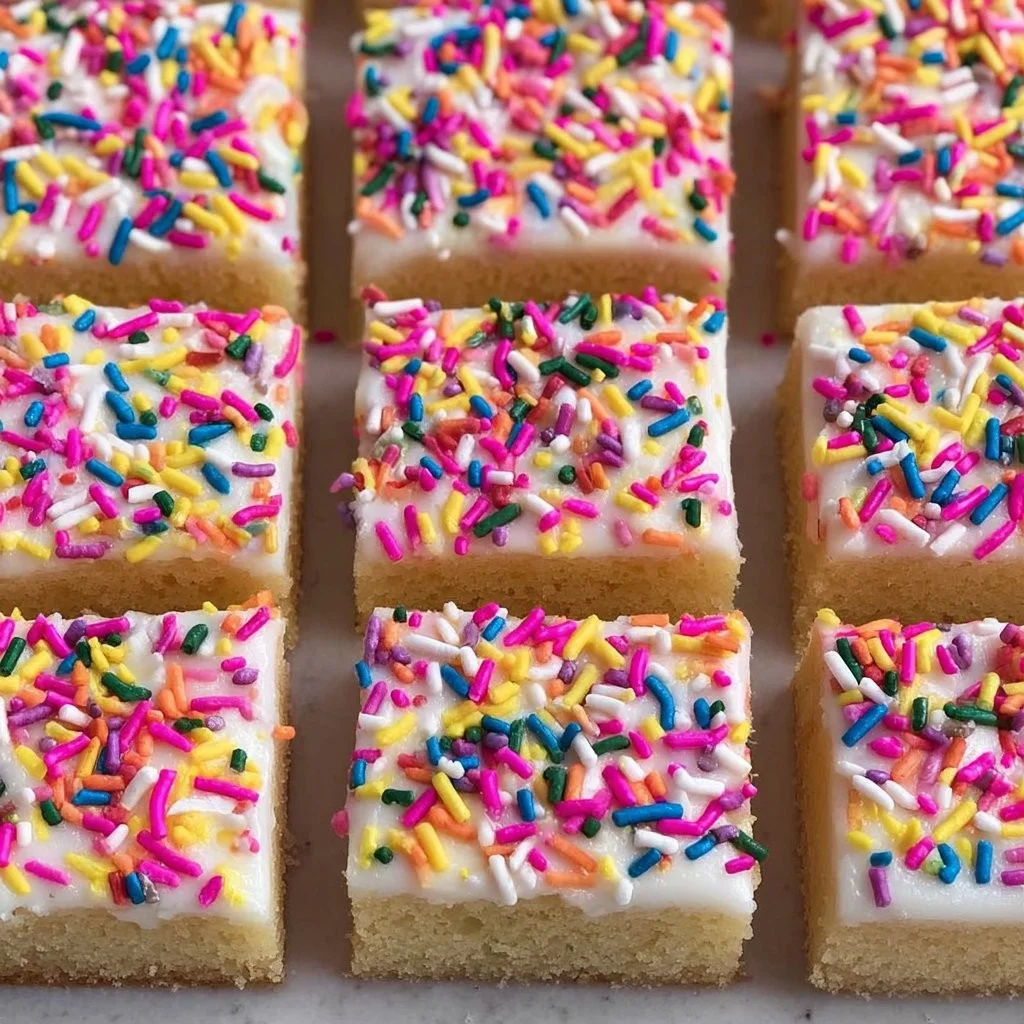
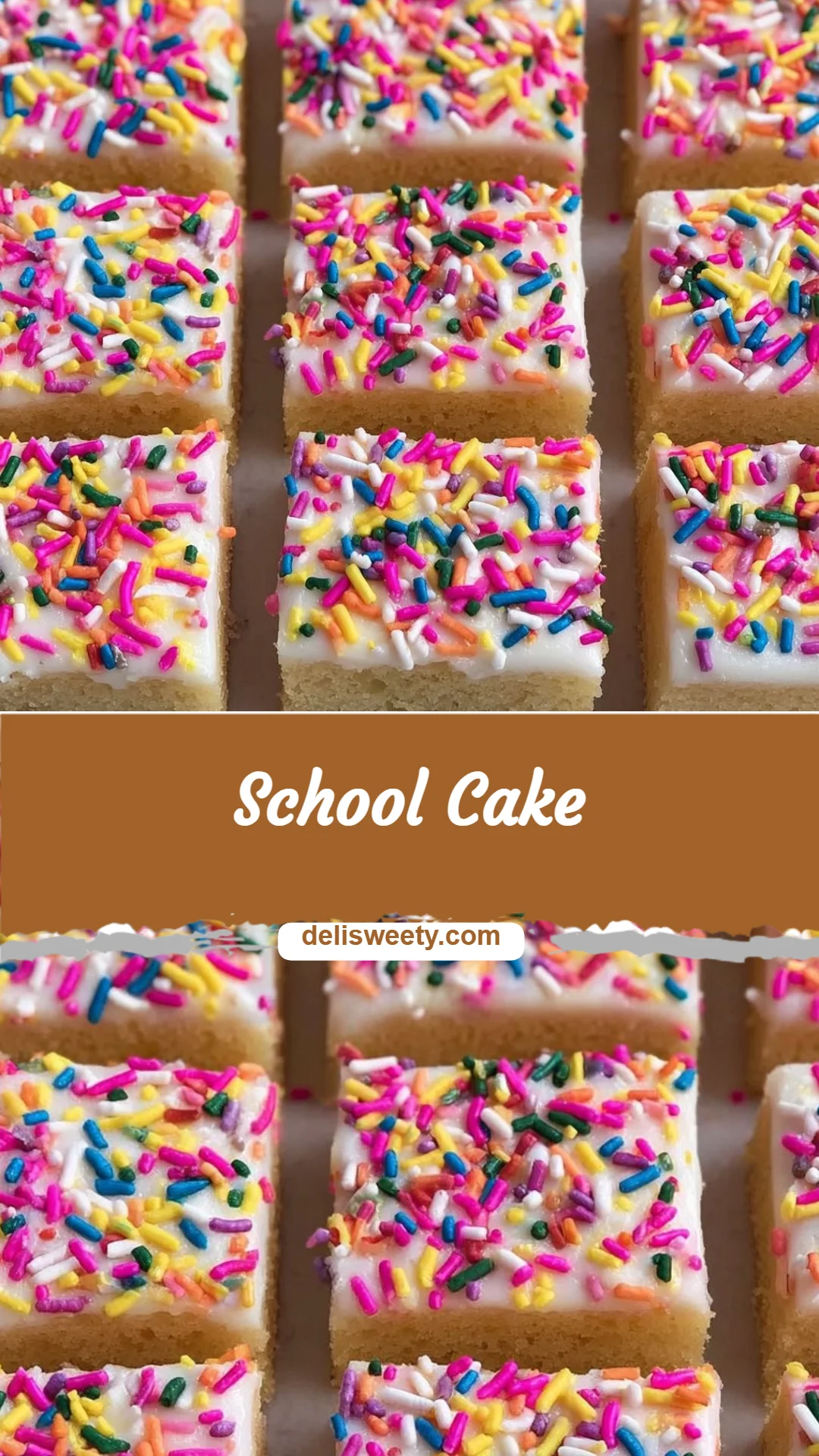
This School Cake is built on familiar flavors: butter, eggs, and vanilla — things both kids and adults happily agree on. It’s a single-layer cake that bakes in about 30–35 minutes, so it fits neatly into busy afternoons or after-dinner baking. The recipe needs only a few common ingredients and one pan, which keeps cleanup fast. It’s forgiving: you don’t have to be a pro baker to get a moist, tender result every time. Try it plain and dusted with icing sugar for an everyday treat, or add a simple topping for a little extra cheer.
Ingredients You’ll Need for School Cake
Essentials
- 225g all-purpose flour — the base that gives structure without fuss.
- 225g granulated sugar — sweetens and helps the cake brown nicely.
- 225g unsalted butter, softened — adds flavor and a tender crumb. If you’re in a hurry, use butter straight from the fridge and pop it in short bursts in the microwave (5–7 seconds) until just soft, not melted.
- 4 large eggs — bind the batter and give lift. Room-temperature eggs work best, but cold eggs will still bake fine.
- 2 teaspoons baking powder — the leavener that keeps the cake light.
- 1 teaspoon vanilla extract — a small addition that makes a big difference in flavor.
- Pinch of salt — balances the sweetness.
- Icing sugar for dusting — the simplest, prettiest finish.
These are all common items most busy families already keep on hand, and they’re easy to swap if you need to use what’s available.
Optional Add-ons
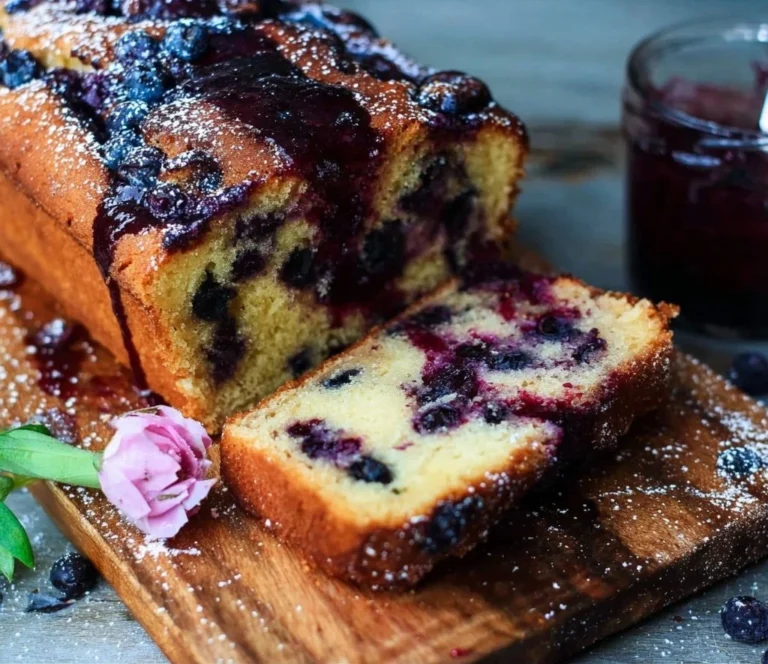
- Fresh or frozen berries — fold gently into the batter for a fruity version. Blueberries are a favorite with kids.
- A spoonful of jam or fruit curd — swirl on top before baking for a simple patchwork flavor.
- A handful of chocolate chips — melt a little and watch them disappear on first bite.
- Citrus zest (lemon or orange) — adds brightness without extra effort.
- A light glaze (icing sugar + milk) — drizzle quickly after cooling for a pretty finish.
- Toasted nuts (almonds or walnuts) — sprinkle on top for crunch if no allergy concerns.
These extras are optional and chosen because they’re quick, family-friendly, and don’t require special tools.
Substitutions and Shortcuts
- Unsalted butter substitute: use salted butter and reduce added salt to a tiny pinch or skip it entirely.
- Sugar swap: light brown sugar gives a deeper, caramel note; granulated keeps the classic texture. You can also reduce sugar by about 10–15% for less sweetness and it will still be fine.
- Egg alternatives: for egg-free needs, use a commercial egg replacer or 4 tablespoons applesauce per egg (results slightly denser). I wouldn’t recommend this for school bake sales where texture counts, but it works for family treats.
- Shortcut flour option: use a good-quality self-raising flour and skip adding baking powder — reduce baking powder to none and adjust salt as needed.
- Ready-made helpers: a boxed yellow cake mix can be doctored with an extra egg and a bit of melted butter or yogurt to mimic this cake when you’re extremely pressed for time.
- One-bowl method: soften or grate butter and add directly to sugar then beat in eggs — you’ll still get a tender cake and fewer dishes.
- Pan swap: use an 8×8 or 9×9 square pan instead of a round one if that’s what you have; baking time may vary by a few minutes.
These swaps keep the cake approachable for any pantry and any schedule.
How to Make School Cake Step-by-Step
- Heat the oven to 180°C (350°F) and prepare your pan. I grease and line a 9-inch (or 22–24cm) square or round pan for easy release; parchment saves time cleaning.
- Beat butter and sugar together until pale and fluffy. A hand mixer or stand mixer makes this fast, but you can also use a sturdy spoon. If you’re short on time, beat just until the mixture looks well combined — you don’t need perfection.
- Add eggs one at a time, mixing briefly after each addition. This builds structure; don’t worry if it looks a little curdled — once the flour goes in it pulls together.
- Stir in the vanilla and any zest or softened add-ins. Little flavor boosts now go a long way.
- Sift or whisk flour, baking powder, and salt in a separate bowl. Add dry ingredients to the wet mixture in two or three additions, folding gently until just combined. Overmixing makes the cake tougher, so stop when no streaks of flour remain.
- Pour the batter into the prepared pan and smooth the top with a spatula. If using fruit or chocolate chips, scatter them on top or fold them in gently.
- Bake 30–35 minutes. A toothpick or thin knife inserted in the center should come out clean or with a couple of moist crumbs. Ovens vary — check at 25 minutes if yours runs hot.
- Let the cake cool in the pan for 10–15 minutes, then remove to a wire rack to cool completely. Dust with icing sugar right before serving to keep it looking fresh.
Notes for speed and ease: you can use one bowl for steps 2–5 if you don’t want to sift separately. The cake tolerates small timing shifts; a slightly longer bake just means a firmer edge that still tastes great.
Common Mistakes to Avoid
Keep this short: mistakes that slow you down or create extra cleanup are the ones I see most. Follow a few smart shortcuts and the School Cake will be a quick win instead of a stressor.
Mistake 1: Overmixing the batter
Vigorous mixing after adding flour builds gluten and makes the cake dense. Mix until the flour disappears — a few streaks are okay. Fold gently and stop.
Mistake 2: Using cold, unsoftened butter
Cold butter won’t cream well with sugar, which wastes time and gives a denser crumb. Soften butter to room temperature, or grate it and mix quickly if you forgot to plan ahead.
Mistake 3: Skipping the parchment or greasing properly
Trying to save time by skipping lining or greasing can lead to a stuck cake and wasted time scraping and salvaging. A quick swipe of butter and a strip of parchment is five minutes well spent.
Serving Suggestions for School Cake
Serve this School Cake simply so it stays fast and family-friendly. The goal is comforting, easy-to-eat slices that travel well in lunchboxes or sit on the counter for after-school snacking.
Kid-friendly sides
Offer fresh fruit slices, a bowl of yogurt, or a drizzle of honey for little hands. Apple slices or banana paired with a slice of School Cake make balanced snacks that kids enjoy.
Easy add-ons
A spoonful of jam, a dollop of peanut butter (or sunflower seed butter for nut-free homes), or a light dusting of cocoa powder can change the flavor with almost zero prep. Warm a slice gently and add a scoop of vanilla ice cream for weekend treats.
Minimal prep
Serve plain with a dusting of icing sugar or a quick glaze made from icing sugar and milk — mix to a runny consistency and drizzle. No piping bag, no fuss, and minimal washing up.
Conclusion
I love how School Cake gives busy families a dependable dessert that’s quick to make, easy to adapt, and almost always a hit at the table. It saves time because it uses pantry staples, bakes fast, and cleans up with one pan if you line it. It’s flexible for picky eaters — keep it plain for school lunches or add chocolate chips for weekend smiles. If you want a richer, custard-topped British-style version for a special occasion, I found a lovely take on a British School Cake with Custard ~ Bake-Off Recipe! that’s worth a look.
FAQs About School Cake
School Cake keeps well for 2–3 days at room temperature in an airtight container. If you want it to last longer, wrap tightly and refrigerate for up to 5 days. For best texture, bring refrigerated slices to room temperature or warm briefly before serving.
Yes — you can freeze whole or sliced School Cake for up to 3 months. Wrap tightly in plastic wrap and foil, or place slices in freezer bags. Thaw overnight in the fridge or warm slices gently in the microwave.
Absolutely. The basic recipe is nut-free if you don’t add nuts. For egg-free households, use a commercial egg replacer or applesauce (note: texture will be slightly different). Always check labels and inform caregivers if the cake will go to school.
Keep it simple: small chocolate chips, a light dusting of icing sugar, or a smear of jam can make the cake more enticing. Cut into fun shapes or serve alongside their favorite fruit to make slices feel special.
Yes. Use a hand mixer to save time on creaming, soften butter quickly or grate it into the sugar, or use a high-quality boxed cake mix and add an extra egg and butter to mimic the homemade crumb. The single most helpful shortcut is lining your pan ahead with parchment — it saves time and stress.
I hope this School Cake becomes a go-to recipe in your busy household — reliable, quick, and always welcome at the table.
School Cake
Ingredients
Essentials
- 225 g all-purpose flour the base that gives structure without fuss.
- 225 g granulated sugar sweetens and helps the cake brown nicely.
- 225 g unsalted butter, softened adds flavor and a tender crumb.
- 4 large eggs bind the batter and give lift.
- 2 teaspoons baking powder the leavener that keeps the cake light.
- 1 teaspoon vanilla extract a small addition that makes a big difference in flavor.
- pinch salt balances the sweetness.
- to taste icing sugar for dusting the simplest, prettiest finish.
Optional Add-ons
- to taste fresh or frozen berries fold gently into the batter for a fruity version.
- to taste a spoonful of jam or fruit curd swirl on top before baking for flavor.
- to taste a handful of chocolate chips melt a little for added flavor.
- to taste citrus zest (lemon or orange) adds brightness without extra effort.
- to taste a light glaze (icing sugar + milk) drizzle after cooling for a pretty finish.
- to taste toasted nuts (almonds or walnuts) sprinkle on top for crunch if no allergy concerns.
Instructions
Preparation
- Heat the oven to 180°C (350°F) and prepare your pan by greasing and lining a 9-inch square or round pan.
- Beat butter and sugar together until pale and fluffy.
- Add eggs one at a time, mixing briefly after each addition.
- Stir in the vanilla and any zest or add-ins.
- Sift or whisk flour, baking powder, and salt in a separate bowl.
- Add dry ingredients to the wet mixture in two or three additions, folding gently until just combined.
Baking
- Pour the batter into the prepared pan and smooth the top.
- Bake for 30–35 minutes, checking at 25 minutes.
- Let the cake cool in the pan for 10–15 minutes, then remove to a wire rack.
- Dust with icing sugar right before serving.