Pear and Ginger Cake
Do you ever get a late-afternoon craving that makes you wander to the kitchen, open the fruit bowl, and suddenly remember the cozy cake you ate at your neighbor’s potluck? I’ve had more than my share of those moments—one rainy afternoon I decided to bake a pear-and-spiced cake with nothing more than a couple of pears and pantry staples. If you’re a beginner who worries about fancy techniques or measuring mishaps, I promise: this Pear and Ginger Cake is forgiving and easy. It’s one of those recipes that feels special without being stressful.
A Quick Look at This Pear and Ginger Cake Recipe
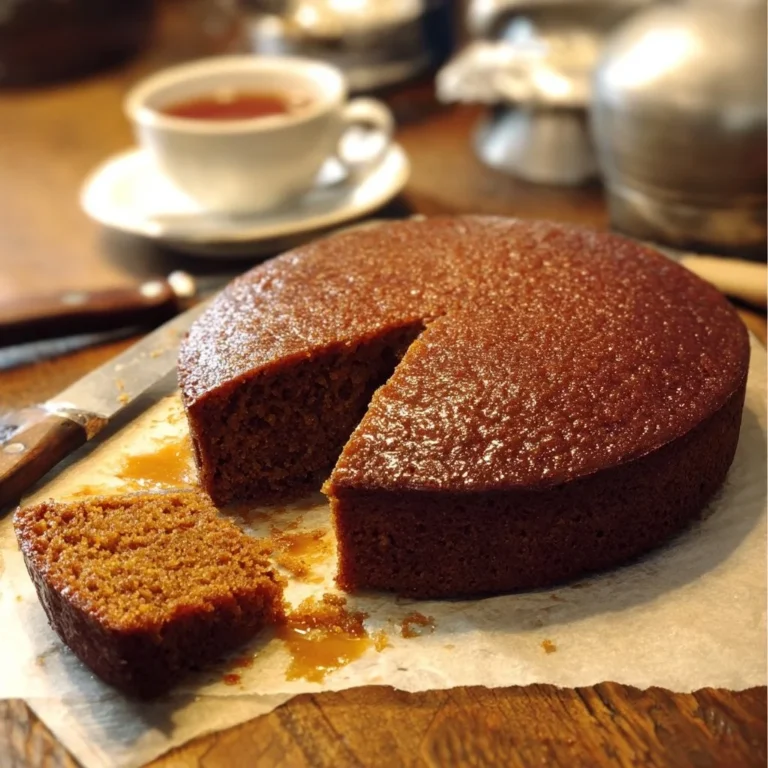
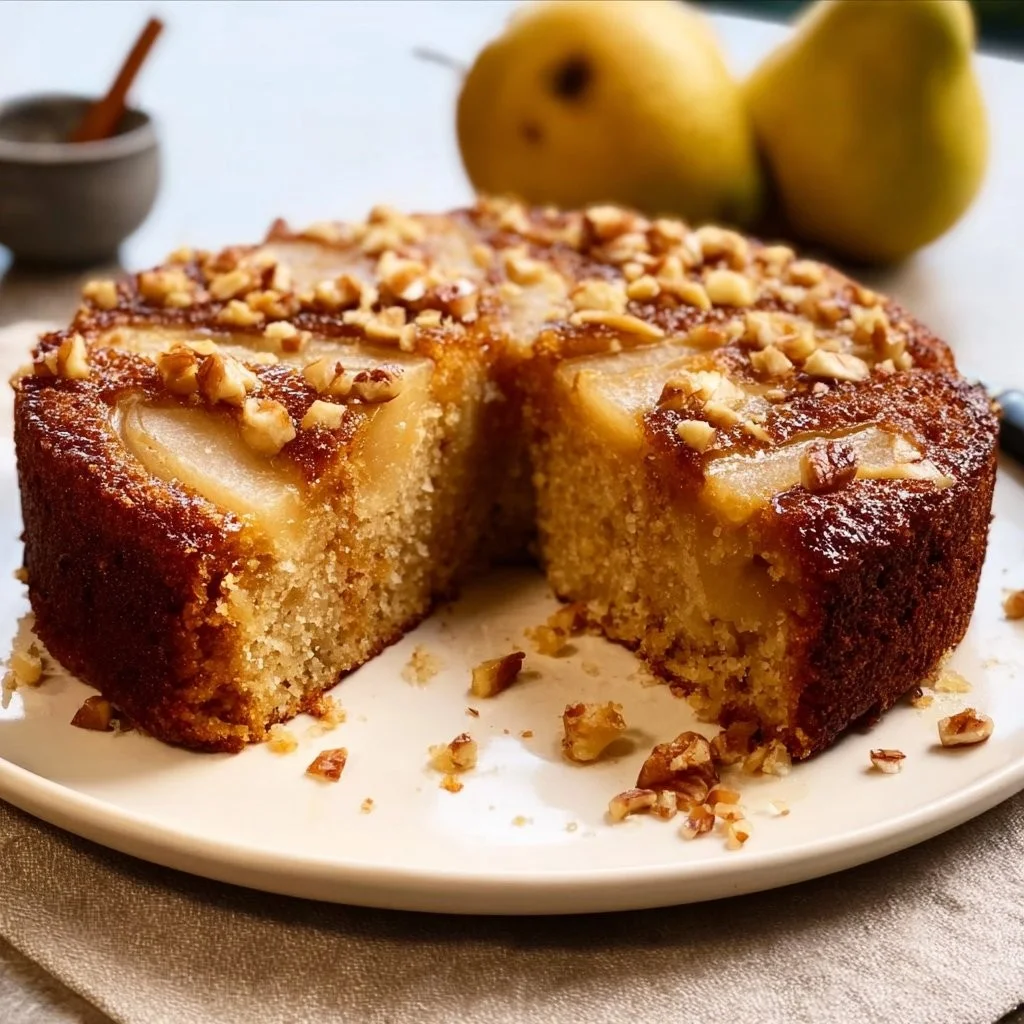
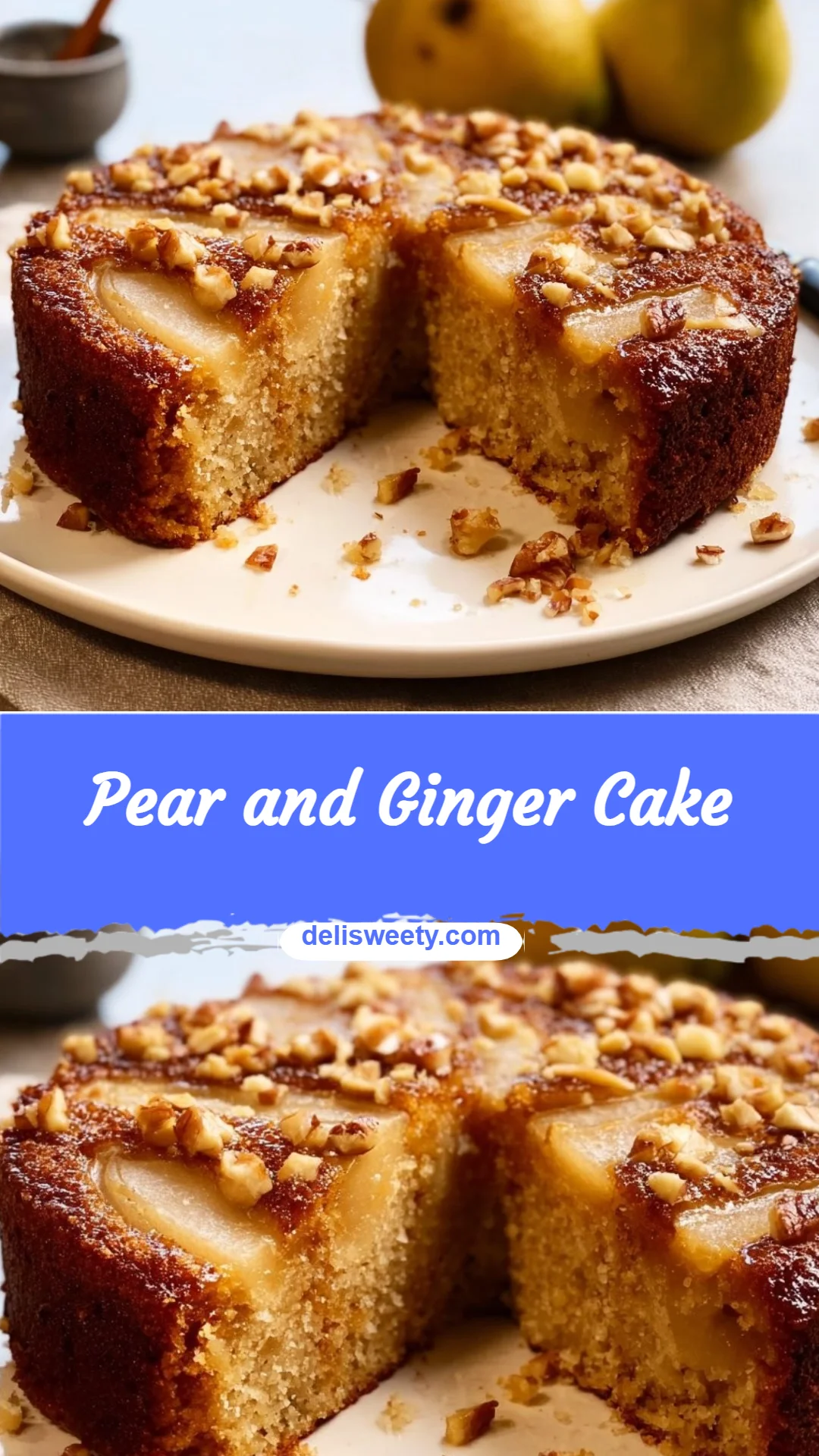
This Pear and Ginger Cake pairs ripe, juicy pears with warm ground ginger for a cozy, lightly spiced loaf-style cake. The main ingredients that shape its flavor are fresh pears and ground ginger, and the cake gets a tender crumb from yogurt or sour cream. It’s comforting and not too sweet—great for breakfast, afternoon tea, or a simple dessert. Home cooks and beginners will love how straightforward the steps are and how forgiving the batter is if you fold gently. Scroll down to see the full recipe, tips for perfect pears, and easy variations you’ll want to try.
Ingredients You’ll Need for Pear and Ginger Cake
Essentials
- 200g (1 1/2 cups) all-purpose flour — This is your cake’s structure. Measure by spooning into the cup and leveling for accurate results.
- 1 tsp baking powder — Gives lift and lightness.
- 1/2 tsp baking soda — Helps the cake rise and work with the yogurt/sour cream.
- 1/4 tsp salt — Balances sweetness and enhances flavor.
- 2 tsp ground ginger — The star spice; warm and aromatic. If you like a stronger bite, use 2 1/2 tsp.
- 120g (1/2 cup) unsalted butter, softened — For richness and a soft crumb. Room temperature helps it cream properly.
- 150g (3/4 cup) brown sugar — Adds moisture and a gentle caramel note; light or dark brown both work.
- 2 large eggs — Bind the cake and add structure.
- 1 tsp vanilla extract — Softens and rounds the flavors.
- 120ml (1/2 cup) plain yogurt or sour cream — Keeps the cake tender and moist.
- 2 ripe pears, peeled and diced (or poached pears, chopped) — Use pears that are ripe but still slightly firm so they hold shape without turning to mush in the batter.
Optional add-ons
- 50g chopped walnuts or pecans — Adds crunch and a toasty note; fold them in gently.
- A sprinkle of demerara sugar on top before baking — Gives a tiny crunch on the crust.
- A light glaze of lemon icing (powdered sugar + lemon juice) — If you want a touch more sweetness and brightness.
- A pinch of cinnamon or nutmeg — To complement the ginger if you want deeper spice layers.
- Toasted oats or sliced almonds on top — For texture and visual appeal.
Substitutions and shortcuts
- Flour: If you only have cake flour, use slightly more (about 1 2/3 cups) because cake flour is lighter. If using whole wheat pastry flour, substitute half to keep the crumb light.
- Butter: You can replace butter with an equal amount of neutral oil (like vegetable or light olive oil) for a softer cake; expect a slightly different texture and less buttery flavor.
- Brown sugar: Replace with an equal amount of granulated sugar plus 2 tbsp molasses if you have it, to mimic brown sugar’s moisture and molasses flavor.
- Yogurt/sour cream: Buttermilk works well — use the same volume. If you only have milk, mix 1/2 cup milk with 1/2 tbsp lemon juice or vinegar and let sit 5 minutes to sour it.
- Eggs: For an egg-light option, use two flax eggs (2 tbsp ground flaxseed + 6 tbsp water, mixed and rested) — the cake might be a touch denser.
- Pears: If pears are small, use three. If you have poached pears, chop them well and drain any syrup so you don’t thin the batter.
- Nuts: Omit if you have allergies. Replace with seeds (pumpkin or sunflower) for texture, or extra pear.
- Shortcut: If you don’t want to peel pears, leave the skin on for texture and color—just make sure to wash them well and choose thin-skinned varieties like Bartletts.
How to Make Pear and Ginger Cake Step-by-Step
I’ll walk you through every step like I’m standing beside you in the kitchen. Clear, simple, and reassuring—this cake is beginner-friendly, so don’t worry about perfection.
Gather and prep your ingredients
- Take the butter and eggs out of the fridge about 30 minutes before you start so they come to room temperature. Softened butter creams better and gives a lighter cake.
- Preheat your oven to 175°C (350°F). Position the rack in the middle so the cake bakes evenly.
- Grease an 8-inch (20 cm) round cake pan with butter or nonstick spray. Line the bottom with a circle of parchment paper for easy removal. Lightly grease the parchment too.
Prepare the pears
- Choose ripe pears that yield slightly to pressure but aren’t mushy. If you like them a bit firmer in the cake, pick pears that are just ripe.
- Peel the pears if you prefer a smooth texture, then dice them into roughly 1/2-inch pieces. If you’re using poached pears, chop them and let any excess syrup drain off; pat them dry with kitchen paper to avoid adding too much moisture to the batter.
Mix the dry ingredients
- In a medium bowl, sift together 200g (1 1/2 cups) all-purpose flour, 1 tsp baking powder, 1/2 tsp baking soda, 1/4 tsp salt, and 2 tsp ground ginger. Sifting ensures there are no lumps and it helps air into the flour, giving a lighter cake. If you don’t have a sifter, whisk thoroughly for about 30 seconds.
Cream butter and sugar
- In a large mixing bowl or the bowl of an electric mixer, beat 120g unsalted butter (softened) with 150g brown sugar until the mixture is light in color and fluffy. This takes about 3–4 minutes with an electric mixer on medium speed, or 6–8 minutes by hand. The creamed mixture traps air, which helps the cake rise.
Add the eggs and vanilla
- Crack the eggs into a small bowl to check for shells. Add the eggs to the butter-sugar mixture one at a time, beating briefly after each addition until incorporated. This step helps create a smooth batter. Stir in 1 tsp vanilla extract.
Add the yogurt or sour cream
- Mix in 120ml (1/2 cup) plain yogurt or sour cream until blended. The batter will look creamy and soft. If you’ve used oil instead of butter, add it here and whisk until combined.
Combine dry and wet ingredients
- Add about one-third of the dry mixture to the wet mixture and fold gently with a spatula until almost combined. Add half of the remaining dry mixture, fold, then finish with the last portion. Stop folding as soon as the flour streaks disappear—overmixing will make the cake tough.
- If the batter feels very stiff, it may be because of overmeasuring flour; a tablespoon or two of milk can loosen it slightly.
Fold in pears and nuts
- Gently fold in the diced pears and the optional 50g chopped walnuts or pecans. Use a light hand so the pears don’t break up too much. If your pears are very juicy, toss them in a tablespoon of flour before folding in to help them stay suspended in the batter rather than sink to the bottom.
Transfer to pan and smooth
- Pour the batter into the prepared 8-inch cake pan and use a spatula to smooth the top. If you like, sprinkle a few extra nuts or a light scatter of demerara sugar for crunch.
Bake
- Bake in the preheated oven for 40–45 minutes. Start checking at 35 minutes—ovens vary. Insert a toothpick or skewer into the center; it should come out clean or with a few moist crumbs (not wet batter). The top should be golden and spring back when gently pressed.
- Cool and finish
- Let the cake cool in the pan on a wire rack for 10–15 minutes. Run a thin knife around the edge to loosen it, then turn the cake out onto the rack to cool completely. If you like glazes, make a simple lemon glaze (1/2 cup powdered sugar + 1–2 tsp lemon juice) and drizzle over the cooled cake.
- Slice and serve
- Use a sharp knife to slice once cooled. Serve with a cup of tea, a scoop of vanilla ice cream, or plain Greek yogurt for a delightful, cozy treat.
Common Mistakes to Avoid
Even the best home cooks make mistakes—especially when trying a new recipe. Here are the three most common pitfalls and how to avoid them so your Pear and Ginger Cake turns out tender and flavorful every time.
Mistake 1: Overmixing the batter
Stirring too much after adding the flour develops gluten, which makes cakes dense and tough. Fold the dry ingredients in gently and stop as soon as the flour streaks disappear. If you see a few tiny streaks, that’s okay—those will disappear in the oven.
Mistake 2: Using pears that are too ripe or too raw
If pears are overripe they will turn mushy and release excess moisture into the batter, causing a soggy cake. Too-raw pears will stay hard and give an unpleasant texture. Aim for pears that are just ripe: tender at the stem but holding their shape. If your pears are on the juicier side, toss them in a little flour before folding them into the batter.
Mistake 3: Baking at the wrong temperature or for the wrong time
Oven temperatures vary. Baking too hot will brown the outside while leaving the center undercooked; too cool and the cake can be dense or take much longer. Preheat your oven fully to 175°C (350°F) and check the cake at 35 minutes. Use a toothpick test: it should come out clean or with moist crumbs, not wet batter.
Serving Suggestions for Pear and Ginger Cake
This cake is wonderful warm or at room temperature and pairs beautifully with simple accompaniments. It’s flexible—serve it for breakfast, dessert, or as a cozy snack.
With tea or coffee
I love a thin slice alongside a strong black tea or a milky latte. The warmth of the ginger complements the bitterness of tea and the creaminess of coffee.
With whipped cream or yogurt
A dollop of lightly sweetened whipped cream or plain Greek yogurt adds richness and a pleasant contrast, especially if the cake is served for dessert.
Warm with ice cream
On colder evenings I’ll warm a slice briefly in the microwave and top it with vanilla ice cream or a scoop of cinnamon gelato. The contrast between warm cake and cold ice cream feels indulgent but still homey.
Conclusion
I hope this Pear and Ginger Cake becomes one of those recipes you turn to when you want comfort with very little fuss. It’s easier than it looks: gather a few pantry staples, pick sweet but firm pears, and follow the gentle folding method. The cake is endlessly customizable—swap nuts, use different dairy, or add a citrusy glaze to suit your mood. If you want more inspiration or variations, I often look to other home bakers for ideas, like this lovely version on Pear Ginger Cake – Justine Doiron and a fresh take here at Fresh Ginger and Pear Cake • The View from Great Island. Now, grab your pears and let’s bake something cozy—then tell me how it turned out!
FAQs About Pear and Ginger Cake
Yes—Pear and Ginger Cake freezes well. Wrap whole or sliced pieces tightly in plastic wrap and then foil, or place slices in an airtight container. Freeze up to 2 months. Thaw in the refrigerator overnight or at room temperature for a few hours. If you plan to freeze whole, do so before glazing; add glaze after thawing.
Absolutely. Spoon the batter into lined muffin tins, filling about 2/3 full. Bake at 175°C (350°F) for 18–22 minutes or until a toothpick comes out clean. Time varies by oven and pan, so start checking at 15 minutes. This is a great option for portable snacks or for adjusting portion sizes.
To help pears stay suspended, toss the diced pear pieces with a tablespoon or two of flour before folding them into the batter. Also, avoid overmixing the batter—fold gently so the pears don’t break and settle to the bottom. Using an 8-inch pan helps too; too large a pan can cause thinner batter where fruit sinks more easily.
You can, but fresh ginger is more pungent and contains moisture. Use about 1 tbsp finely grated fresh ginger in place of 2 tsp ground, and consider slightly reducing other liquids if the batter becomes too loose. Fresh ginger gives a bright, sharp heat while ground ginger provides a mellow warmth—both are lovely.
You can reduce the sugar a bit—try cutting the brown sugar by 25% and taste the batter (remember it will be less sweet than the finished cake). You might also top with a light glaze or serve with unsweetened yogurt to add flavor without too much added sugar. Keep in mind sugar affects texture and moisture, so don’t remove it entirely without replacing it with a suitable alternative (like a small amount of applesauce for moisture).
Pear and Ginger Cake
Ingredients
Essentials
- 200 g all-purpose flour Measure by spooning into the cup and leveling for accurate results.
- 1 tsp baking powder Gives lift and lightness.
- 1/2 tsp baking soda Helps the cake rise and work with the yogurt/sour cream.
- 1/4 tsp salt Balances sweetness and enhances flavor.
- 2 tsp ground ginger The star spice; use 2 1/2 tsp for a stronger bite.
- 120 g unsalted butter, softened For richness and a soft crumb. Room temperature helps it cream properly.
- 150 g brown sugar Adds moisture and a gentle caramel note.
- 2 large eggs Bind the cake and add structure.
- 1 tsp vanilla extract Softens and rounds the flavors.
- 120 ml plain yogurt or sour cream Keeps the cake tender and moist.
- 2 medium ripe pears, peeled and diced Use ripe pears that hold their shape.
Optional add-ons
- 50 g chopped walnuts or pecans Adds crunch; fold them in gently.
- to taste demerara sugar For a crunchy topping.
- to taste lemon icing Mix powdered sugar with lemon juice for a glaze.
- a pinch cinnamon or nutmeg To complement the ginger.
- to taste toasted oats or sliced almonds For texture and visual appeal.
Instructions
Preparation
- Take the butter and eggs out of the fridge about 30 minutes before you start.
- Preheat your oven to 175°C (350°F).
- Grease an 8-inch (20 cm) round cake pan with butter or nonstick spray and line with parchment paper.
Prepare the pears
- Choose pears that are ripe but firm, peel if preferred, and dice into 1/2-inch pieces.
Mix dry ingredients
- Sift together flour, baking powder, baking soda, salt, and ground ginger in a medium bowl.
Cream butter and sugar
- In a large bowl, beat softened butter with brown sugar until light and fluffy.
Add eggs and vanilla
- Add eggs one at a time to the butter-sugar mixture and beat until smooth. Stir in vanilla extract.
Add yogurt or sour cream
- Mix in the yogurt or sour cream until blended.
Combine and fold
- Gently fold the dry mixture into the wet mixture in thirds, being careful not to overmix.
Fold in pears and nuts
- Gently fold in the diced pears and chopped nuts, if using.
Transfer to pan
- Pour the batter into the prepared cake pan and smooth the top.
Bake
- Bake for 40–45 minutes, checking at 35 minutes for doneness.
Cool and finish
- Let the cake cool before glazing and serving.