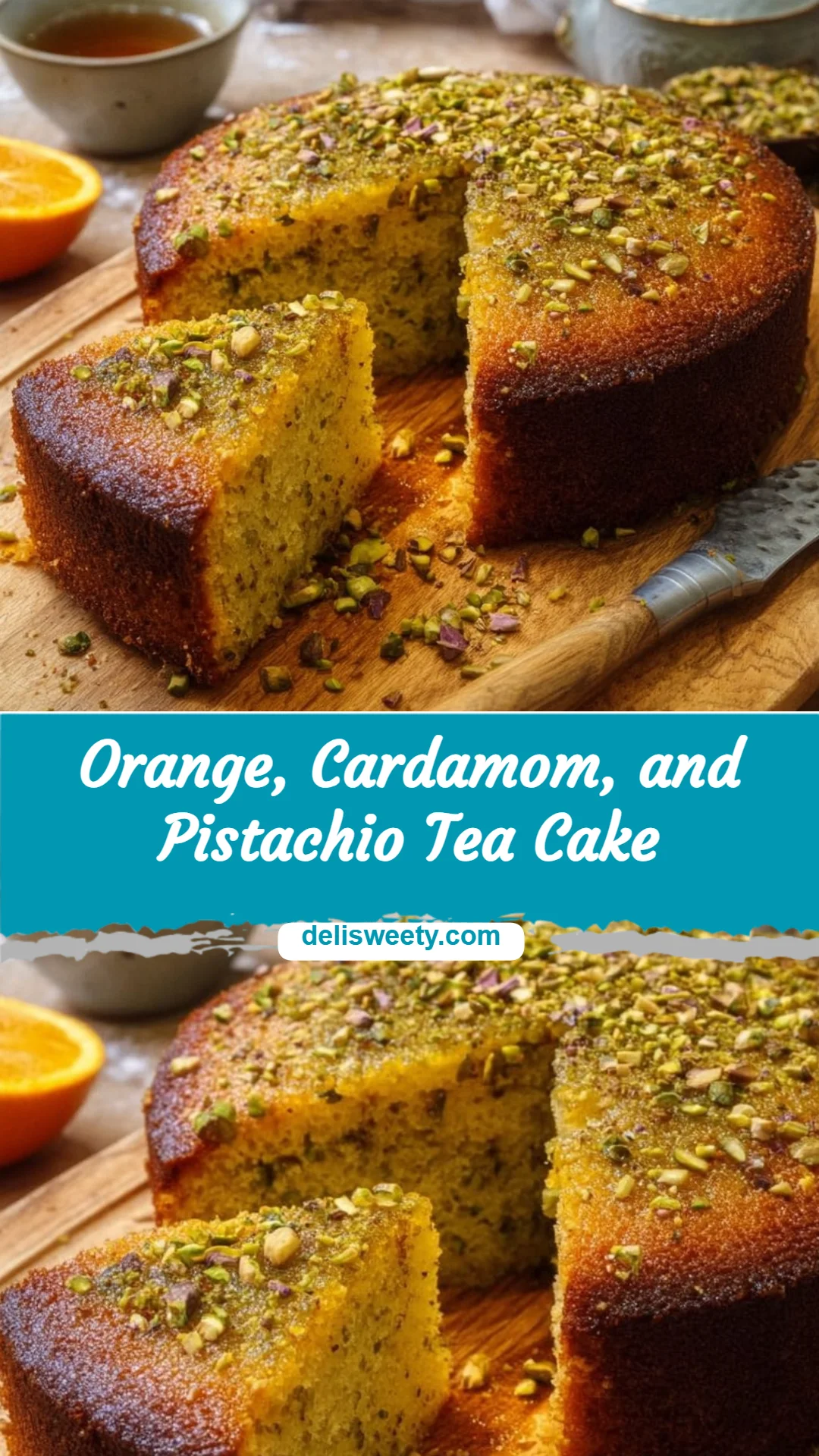
Orange, Cardamom, and Pistachio Tea Cake
Do you ever get a craving for something sweet that smells like sunshine and nostalgia? I do—often—and this Orange, Cardamom, and Pistachio Tea Cake is the answer. I remember the first time I tried a cardamom-scented cake: I nervously measured spices as if they were magic, worried I’d overpower the batter. If you’re a beginner who frets about spices, baking times, or whether your cake will collapse, breathe easy—I promise this recipe is forgiving, straightforward, and so comforting that it feels like a warm hug with a cup of tea.
A Quick Look at This Orange, Cardamom, and Pistachio Tea Cake Recipe
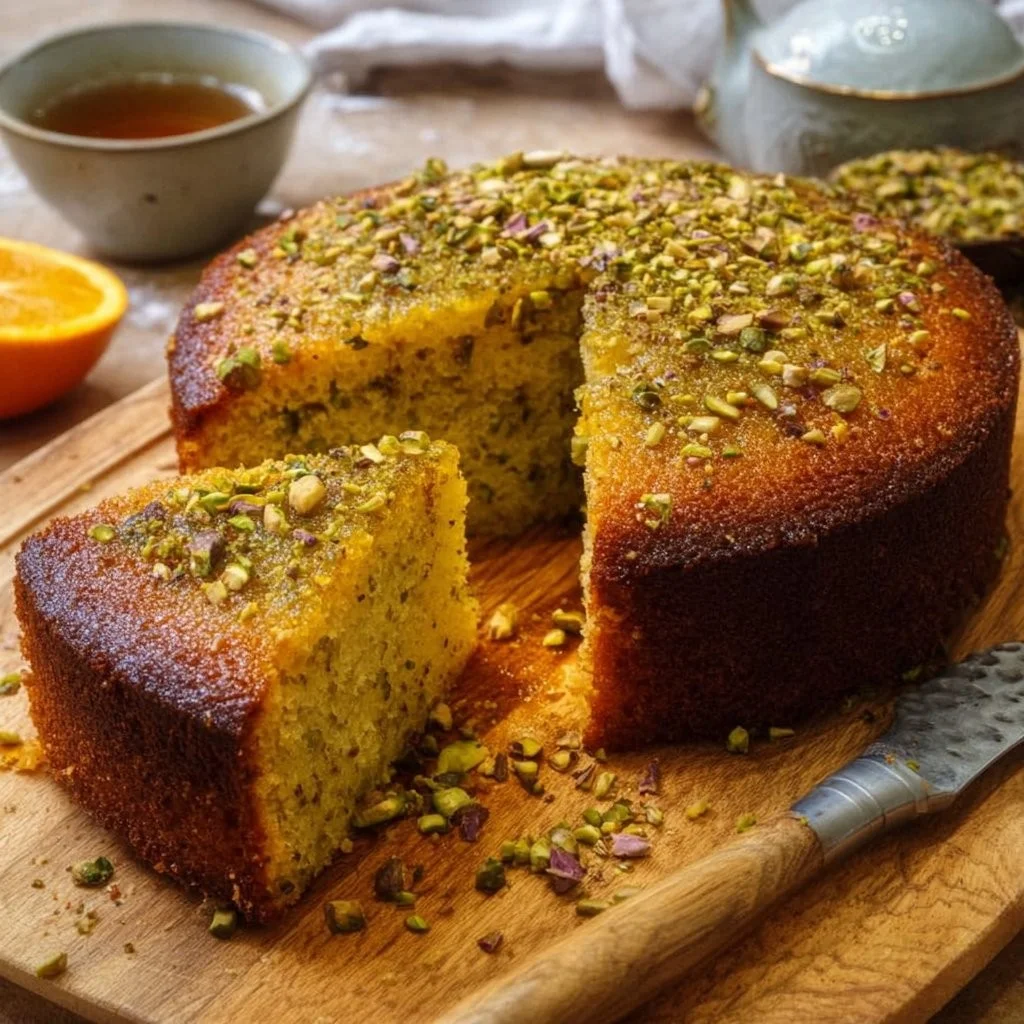
This tea cake highlights two bright stars: fresh orange (zest and juice) and fragrant ground cardamom, with crunchy pistachios on top for texture. It’s a simple batter—buttery, tender, and studded with nutty bites—perfect for breakfast, tea, or a cozy dessert. The cake is quick to make and doesn’t require advanced techniques, which makes it ideal for home cooks and beginners. Keep reading if you want an easy, impressive cake that smells amazing and pairs beautifully with tea or coffee.
Ingredients You’ll Need for Orange, Cardamom, and Pistachio Tea Cake
Below I break down what you need into essentials, optional extras to play with, and easy substitutions or shortcuts if you’re short on time or have dietary needs.
Essentials
- 1 1/2 cups all-purpose flour — the base of the cake for structure. Measure by spooning into the cup and leveling for accuracy.
- 1 teaspoon baking powder — gives lift.
- 1/2 teaspoon baking soda — adds gentle lift and tender crumb when combined with the yogurt.
- 1 teaspoon ground cardamom — the defining spice; warm and citrusy. Freshly ground from pods is ideal if you can.
- 1/4 teaspoon salt — balances the sweetness and enhances flavors.
- Zest of 2 oranges — the bright aromatic hit; use a fine grater or microplane.
- 3/4 cup granulated sugar — for sweetness and browning.
- 1/2 cup unsalted butter, softened — ensures a tender, buttery cake. If you use salted butter, reduce added salt slightly.
- 2 large eggs — for structure and richness; room temperature is best for even mixing.
- 1/2 cup plain yogurt or sour cream — adds moisture and a subtle tang that keeps the cake tender.
- 1/4 cup fresh orange juice — adds liquid and fresh citrus flavor (not from concentrate is best).
- 1/2 cup shelled pistachios, roughly chopped — some folded into the batter and the rest sprinkled on top for crunch.
Optional add-ons
- A simple orange glaze: 1 cup powdered sugar mixed with 2–3 tablespoons orange juice for a shiny, sweet finish.
- 1/2 teaspoon vanilla extract — for nuance (but I don’t add it if I want the cardamom to shine alone).
- Toasted orange peel strips or extra orange zest for garnish.
- A handful of dried cranberries or chopped apricots folded into the batter for a fruitier version.
- A sprinkle of flaky sea salt on top of the glaze for a sophisticated sweet-salty contrast.
Substitutions and shortcuts
- Flour: For a lighter cake, replace 1/4 cup of the all-purpose flour with 1/4 cup cake flour. For gluten-free, use a 1:1 gluten-free baking blend (note: texture will differ).
- Yogurt/sour cream: You can use buttermilk as a substitute—use 1/2 cup buttermilk and reduce the orange juice by 1 tablespoon to keep the batter consistency similar.
- Butter: Softened coconut oil can work in equal measure for a dairy-free option, but the flavor will change. If using oil, reduce to 1/3 cup and expect a slightly denser crumb.
- Sugar: Swap half the granulated sugar for light brown sugar for a deeper, caramel note. For a lower-sugar cake, reducing by 2 tablespoons still yields a pleasant cake but may affect browning.
- Nuts: If you don’t have pistachios, chopped almonds or walnuts are fine; toasted pistachios, if available, amplify the nutty flavor.
- Quick citrus shortcut: If you’re short on oranges, use 2 tablespoons bottled orange juice plus 1 tablespoon lemon juice and 1 tablespoon finely grated lemon zest, but fresh oranges are best for aroma.
How to Make Orange, Cardamom, and Pistachio Tea Cake Step-by-Step
I wrote these steps for beginners—clear, patient, and with little tips so you don’t overthink anything. Read through once, then follow along as you bake.
Preheat and prepare your pan
- Preheat your oven to 350°F (175°C). Having your oven at the right temperature before baking gives the cake the best rise.
- Grease and flour an 8-inch loaf pan or a round cake pan (8- or 9-inch). To grease, rub softened butter or a neutral oil over the inside surfaces, then lightly dust with flour and tap out the excess. Alternatively, line the base with parchment paper for easier removal.
Combine the dry ingredients
- In a medium bowl, whisk together 1 1/2 cups all-purpose flour, 1 teaspoon baking powder, 1/2 teaspoon baking soda, 1 teaspoon ground cardamom, and 1/4 teaspoon salt.
- Whisking breaks up lumps and evenly distributes the baking agents and spice, which helps the cake rise uniformly.
Zest the oranges
- Using a microplane or fine grater, zest two oranges into a small bowl. Zesting before juicing is easier—you’ll have the whole orange in hand ready to squeeze afterward.
- Set the zest aside to add later with the eggs and yogurt.
Cream the butter and sugar
- In a large bowl, beat 1/2 cup softened unsalted butter and 3/4 cup granulated sugar until light and fluffy. If you’re using an electric mixer, this takes about 2–3 minutes on medium-high. If you’re doing it by hand, a bit of patience gives lovely results.
- Creaming introduces air, which creates a lighter crumb.
Add the eggs and citrus
- Beat in the eggs one at a time, making sure each is fully incorporated before adding the next. Scrape the bowl’s sides as needed so everything mixes evenly.
- Add the orange zest, 1/4 cup fresh orange juice, and 1/2 cup plain yogurt (or sour cream). Mix gently until the mixture looks smooth and cohesive. The batter will be fairly thick but pourable.
Combine wet and dry ingredients
- Gradually fold the dry ingredients into the wet mixture. Use a spatula and add the flour mixture in two or three additions.
- Mix just until there are no obvious streaks of flour. Overmixing develops gluten and can make the cake tougher, so stop once the batter looks uniform.
Add pistachios
- Gently fold half of the roughly chopped 1/2 cup shelled pistachios into the batter. These will create little nutty pockets inside the cake.
- Save the remaining pistachios to sprinkle on the top—this gives the finished cake an attractive, crunchy crown.
Transfer to pan and top
- Pour the batter into your prepared pan and smooth the top with a spatula.
- Sprinkle the remaining pistachios evenly over the surface. They’ll toast a bit during baking and add a lovely color and texture.
Bake
- Bake for 40–45 minutes, or until a toothpick inserted into the center comes out clean or with a few moist crumbs (not raw batter). Ovens vary, so start checking at 35 minutes if your oven runs hot.
- The top should be golden and spring back slightly when touched.
Cool and unmold
- Allow the cake to cool in the pan on a wire rack for 10 minutes. This short rest helps the cake settle and reduces the risk of breaking when removing.
- Run a knife around the pan edge, then invert the cake onto the rack to cool completely. If you lined the pan with parchment, grasp the paper to lift the cake out.
Optional glaze and serving
- If you want a sweet finish, mix about 1 cup powdered sugar with 2–3 tablespoons fresh orange juice until smooth and pourable. Drizzle over the cooled cake and allow it to set for 10–15 minutes.
- Slice and enjoy with a cup of tea or coffee.
Extra beginner tips sprinkled in:
- Use room-temperature eggs and dairy for easier mixing and a uniform batter.
- Measure flour properly—too much flour makes a dry cake.
- If you don’t have a mixer, a sturdy whisk and elbow grease will do; cream the butter and sugar until light, then add eggs vigorously.
- If the pistachios brown too fast on top, tent the cake loosely with foil for the last 10 minutes of baking.
Common Mistakes to Avoid
A few small missteps can change texture or flavor, but they’re easy to prevent. Here are the three mistakes I see most often and how to avoid them.
Mistake 1: Overmixing the batter
When flour is added to wet ingredients, the proteins begin to form gluten. Overmixing develops too much gluten, which can make a cake dense or chewy instead of tender. Mix just until the flour disappears—small streaks are okay but stop before the batter becomes glossy.
Mistake 2: Using cold ingredients
Cold butter, eggs, or yogurt can cause the batter to curdle or prevent proper creaming. Bring butter, eggs, and yogurt to room temperature (about 30–60 minutes on the counter) before starting. This helps everything incorporate smoothly and gives you a light, even crumb.
Mistake 3: Skipping the oven check
Ovens vary dramatically. Relying strictly on time can leave you with an underbaked or overbaked cake. Start checking with a toothpick at 35 minutes and look for a clean or slightly crumbly toothpick, golden color, and a top that springs back lightly. If the middle is still wet but the top is browning too fast, tent the cake with foil.
Serving Suggestions for Orange, Cardamom, and Pistachio Tea Cake
This cake is cozy and versatile. It’s equally lovely for a quiet morning, an afternoon gathering, or a simple dessert. Here are three serving ideas to suit different moods.
With a pot of tea or coffee
Serve warm or at room temperature with a fragrant black tea (like Earl Grey) or a nutty, medium-roast coffee. The cardamom plays beautifully with tea, and the orange gives a fresh lift.
As a breakfast or brunch treat
Slice it thin and serve alongside yogurt, fresh berries, and a dollop of ricotta or mascarpone. The cake’s buttery crumb makes it feel celebratory without being overly sweet—perfect for weekend brunch.
Dressed up for dessert
Add a light orange glaze and a scoop of vanilla ice cream or a spoonful of whipped cream. Garnish with extra chopped pistachios and a few edible flowers or orange zest strips for a pretty finish.
Conclusion
I hope you’ll try this Orange, Cardamom, and Pistachio Tea Cake the next time you want something that’s both comforting and a little bit special—because it’s truly easier than it looks and so rewarding. I love how customizable it is: swap nuts, add a glaze, or stir in dried fruit to make it your own. If you want more inspiration for cardamom-and-nut cakes, I often look to well-loved recipes for ideas—like the Cardamom Pistachio Cake from Sift With Kima for a slightly different take, or this beautiful Persian Love Cake on Cardamom and Tea for flavor pairings and presentation ideas. If you bake it, tell me how it turned out—I love hearing about your kitchen experiments.
FAQs About Orange, Cardamom, and Pistachio Tea Cake
Yes—this cake actually keeps well. Store it in an airtight container at room temperature for up to 3 days, or refrigerate for up to 5 days. If you add a glaze, cool the glaze completely before covering. For longer storage, slice and freeze portions wrapped tightly for up to 2 months; thaw in the fridge or at room temperature.
You can. Use a 1:1 gluten-free baking blend that includes xanthan gum and follow the recipe as written. The texture will be slightly different—often a bit more crumbly—but the flavors remain lovely. Let the batter rest for 10 minutes before baking to allow the flour blend to hydrate.
Increase the orange zest to the zests of 3 oranges and use 1/3 cup fresh orange juice instead of 1/4 cup. For extra brightness, brush the hot cake with a tablespoon or two of orange syrup (equal parts sugar and orange juice simmered until slightly thickened) right after it comes out of the oven.
Absolutely. Almonds or walnuts work well if you don’t have pistachios. Toast the nuts lightly before chopping to bring out more flavor, and use the same quantity. Pistachios, though, give the cake a distinctive look and flavor—if you can, try them at least once.
A few reasons: opening the oven too early, underbaking, or too much leavening can cause sinking. Avoid opening the door in the first 25–30 minutes, check doneness with a toothpick near the end of the bake time, and measure the baking powder/soda carefully. Also, ensure the pan size matches the recipe; using a smaller pan will make the batter too deep and prone to sinking.
Orange, Cardamom, and Pistachio Tea Cake
Ingredients
For the cake
- 1.5 cups all-purpose flour Measure by spooning into the cup and leveling for accuracy.
- 1 teaspoon baking powder Gives lift.
- 0.5 teaspoon baking soda Adds gentle lift and tender crumb when combined with the yogurt.
- 1 teaspoon ground cardamom Freshly ground from pods is ideal.
- 0.25 teaspoon salt Balances sweetness and enhances flavors.
- 2 pieces zest of oranges Use a fine grater or microplane.
- 0.75 cups granulated sugar For sweetness and browning.
- 0.5 cups unsalted butter, softened If using salted butter, reduce added salt slightly.
- 2 large eggs Room temperature for even mixing.
- 0.5 cups plain yogurt or sour cream Adds moisture and a subtle tang.
- 0.25 cups fresh orange juice Not from concentrate is best.
- 0.5 cups shelled pistachios, roughly chopped Some folded into the batter, remainder sprinkled on top.
Optional add-ons
- 1 cup powdered sugar For a simple glaze mixed with 2-3 tablespoons orange juice.
- 0.5 teaspoon vanilla extract For added flavor but optional.
- to taste pieces toasted orange peel strips or extra orange zest For garnish.
Instructions
Preparation
- Preheat your oven to 350°F (175°C). Grease and flour an 8-inch loaf pan or a round cake pan (8 or 9-inch).
Mixing Dry Ingredients
- In a medium bowl, whisk together flour, baking powder, baking soda, cardamom, and salt.
Zesting Oranges
- Zest the oranges and set the zest aside for later.
Creaming Butter and Sugar
- In a large bowl, beat softened butter and granulated sugar until light and fluffy.
Adding Wet Ingredients
- Beat in the eggs one at a time, then add orange zest, orange juice, and yogurt, mixing until smooth.
Combining Mixtures
- Gradually fold the dry ingredients into the wet mixture until just combined.
Adding Pistachios
- Gently fold in half of the chopped pistachios into the batter.
Baking
- Pour the batter into your prepared pan, sprinkle remaining pistachios on top, and bake for 40-45 minutes until a toothpick comes out clean.
Cooling
- Allow the cake to cool in the pan for 10 minutes before inverting onto a rack to cool completely.
Optional Glazing
- For a sweet finish, drizzle with a glaze made from powdered sugar and orange juice.