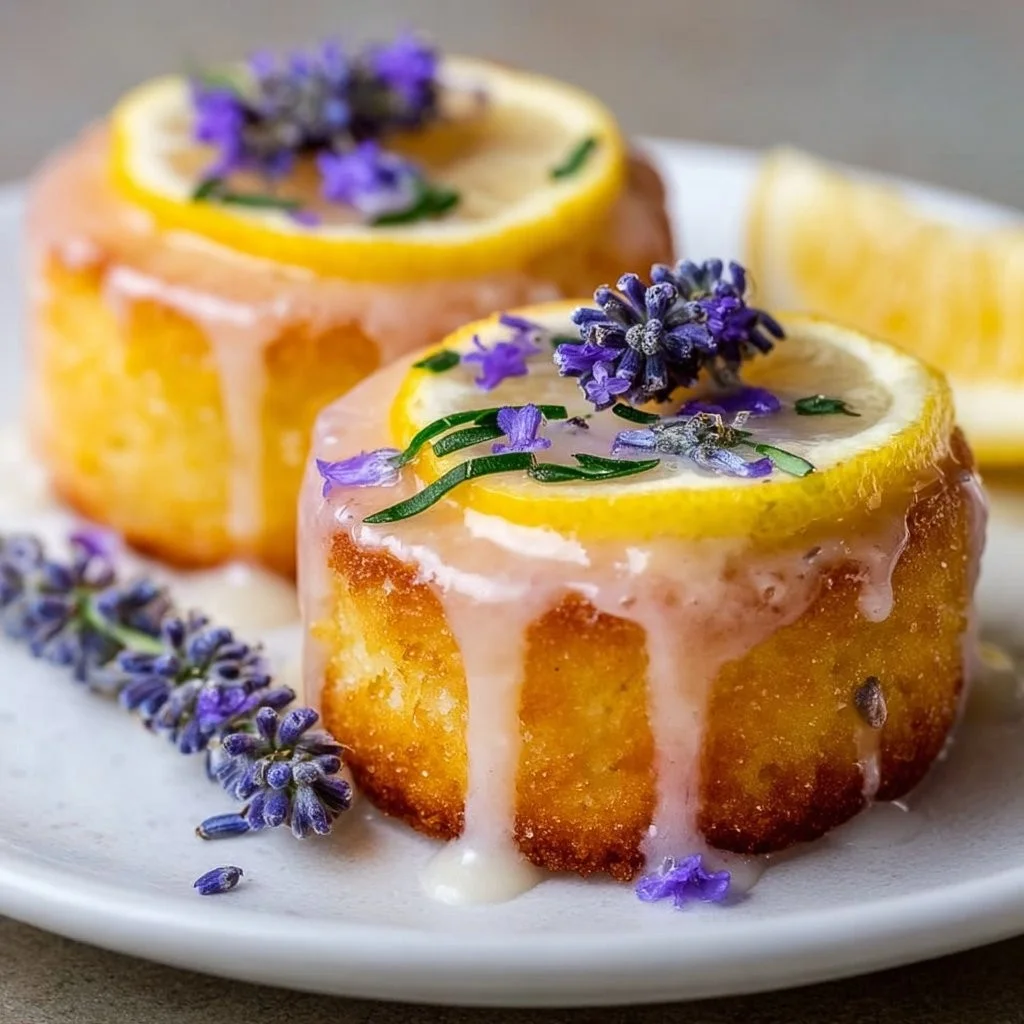
Mini Lemon Cakes With Lavender Glaze
Does the smell of lemon zest and a whisper of lavender ever make you stop and think of warm kitchens and easy Sunday baking? I had a funny moment once where I accidentally wore a lemon-scented apron to a garden party and everyone thought I’d brought the dessert — which I had, in the form of these tiny, cheerful cakes. If you’re a beginner who worries about curdling batter or overfilling pans, relax: I’ll walk you through everything step by step. These Mini Lemon Cakes With Lavender Glaze are forgiving, quick to assemble, and perfect for practicing simple baking skills. If you loved my first experiments with small desserts like mini triple chocolate cheesecakes, you’re going to enjoy how bright and delicate these turn out.
A Quick Look at This Mini Lemon Cakes With Lavender Glaze Recipe
This recipe centers on bright lemon zest and a buttery cake base, finished with a floral lavender glaze. It’s simple comfort food — a light cake that’s not too sweet, so the lemon can sing. The benefit here is convenience: these bake quickly and are easy to portion for guests or busy afternoons. Home cooks and beginners will appreciate the straightforward method and forgiving batter that isn’t fussy to work with. Keep reading to learn a few pro tips that make the glaze smooth and how to avoid soggy tops — small steps that make a big difference.
Ingredients You’ll Need for Mini Lemon Cakes With Lavender Glaze
Below I break everything into essentials, a few optional add-ons for fun, and substitutions or shortcuts if you need to adapt.
Essentials
- 1 1/3 cups all-purpose flour
- 1/2 tsp kosher salt
- 1/8 tsp baking soda
- 1/2 cup unsalted butter, softened
- 2/3 cup granulated sugar
- 1/3 cup packed light brown sugar
- 1 Tbsp grated lemon zest (from about 2 lemons)
- 2 large eggs, at room temperature
- 1/4 cup sour cream, at room temperature
- 1/4 cup whole milk, at room temperature (for the batter)
- 1 tsp vanilla extract
- 1/4 cup whole milk (for the glaze)
- 1/2 tsp culinary lavender (dried, for steeping in the milk)
- 1 1/2 cups powdered sugar (for the glaze)
- 1/4 tsp kosher salt (for the glaze)
- 1/8 tsp vanilla extract (for the glaze)
- Edible flowers and extra lemon zest for garnish (optional, but lovely)
These are the core ingredients that make the cakes tender and the glaze silky.
Optional add-ons
- A teaspoon of lemon juice in the glaze for extra brightness (if you like tangier glaze)
- A sprinkle of extra lavender buds on top for look only (not for eating large bits)
- A few teaspoons of poppy seeds folded into the batter for texture
- A drizzle of melted white chocolate instead of the lavender glaze for a sweeter finish
- Fresh berries on the side — strawberries or blueberries pair beautifully
Substitutions and shortcuts
- Butter: You can substitute equal parts vegetable oil for the butter if you prefer (cakes will be slightly denser and moister). I like butter for flavor, but oil works in a pinch.
- Sour cream: Plain Greek yogurt works as a 1:1 swap. It keeps the batter tender and adds a little tang.
- Whole milk: Any milk (2% or plant-based like oat milk) can be used. If you use a plant-based milk, choose an unsweetened variety.
- Powdered sugar: If you don’t have powdered sugar, pulse granulated sugar in a blender to make superfine sugar (not ideal, but a quick fix). For glaze, powdered sugar is best.
- Culinary lavender: If you don’t have culinary lavender, you can omit it and add a 1/2 tsp of lemon extract to the glaze for lemon-forward flavor. Do not use garden lavender unless labeled culinary — it might be treated with pesticides.
- Mini pans: If you don’t have mini cake pans, use a standard muffin tin. Baking times will vary — see the step-by-step for guidelines.
- Shortcuts: You can make the batter in one bowl (cream butter and sugars, add eggs and other wet ingredients, then fold in dry ingredients) to save dishes. For the glaze, microwave the milk briefly to steep the lavender if you prefer not to heat on the stove.
How to Make Mini Lemon Cakes With Lavender Glaze Step-by-Step
I like to think of this as a cozy, two-part process: first the cakes, then the glaze. Read the full method before you begin so you’re comfortable with the timing.
Part 1: Make the Lemon Cakes
Preheat and prep
- Preheat your oven to 350°F (175°C). If you’re using a mini bundt or specialty mini cake pan, the oven temperature is the same — just watch the time. Grease your mini pan well with butter or nonstick spray and lightly dust with flour, tapping out excess. For a muffin tin, line with paper or grease the cavities.
Measure dry ingredients
- In a small bowl, whisk together 1 1/3 cups all-purpose flour, 1/2 tsp kosher salt, and 1/8 tsp baking soda. Set aside. Whisking these together helps the leavening distribute evenly.
Cream butter, sugars, and zest
- In a larger bowl, cream 1/2 cup softened unsalted butter with 2/3 cup granulated sugar and 1/3 cup packed light brown sugar until the mixture is pale and fluffy — about 2–3 minutes with an electric mixer on medium. If you’re doing this by hand, beat energetically for longer. Add 1 Tbsp grated lemon zest and mix briefly to release the oils. That zest is where a lot of the lemon flavor comes from, so don’t skip it.
Add eggs and flavor
- Add the 2 large eggs, one at a time, beating well after each addition. Scrape the bowl so everything mixes evenly. Add 1 tsp vanilla extract and 1/4 cup sour cream and mix until smooth. The sour cream keeps the cakes tender.
Alternate in dry ingredients and milk
- With the mixer on low speed (or by hand), add the dry ingredients in two or three additions, alternating with the 1/4 cup whole milk, starting and ending with the flour mixture. Mix just until combined; overmixing can make cakes dense. The batter should be thick but spoonable.
Fill the pans properly
- Spoon the batter into the prepared mini pans, filling each about 3/4 full. If you’re using a standard mini muffin pan, you’ll likely get about 18–24 mini cakes depending on size; if using small bundt molds, the yield will be fewer. I find a small cookie scoop helps keep sizes consistent.
Bake and test for doneness
- Bake in the preheated 350°F oven. For mini muffin-sized cakes, start checking at 12 minutes and expect 12–15 minutes total. For mini bundt molds, it may be 15–20 minutes. Insert a toothpick into the center — it should come out clean or with a few moist crumbs. If the tops brown before the centers are done, tent them lightly with foil.
Cool gently
- Remove the pans from the oven and allow to cool for 5 minutes before turning the cakes out onto a wire rack. Let them cool completely before glazing. If you glaze warm cakes, the glaze will run off and you’ll lose that pretty lavender sheen.
Part 2: Make the Glaze and Serve
Infuse the milk with lavender
- In a small saucepan, warm 1/4 cup whole milk over low heat until it’s steaming but not boiling. Add 1/2 tsp culinary lavender, stir, and remove from heat. Let it steep for 8–10 minutes so the floral notes infuse the milk. Taste carefully — it should be a whisper of lavender, not overpowering. If the aroma is too strong, steep for less time next batch.
Strain the milk
- Strain the milk through a fine mesh sieve to remove the lavender buds and let the milk cool slightly. You don’t want it piping hot when it meets the powdered sugar, or it can make the glaze too thin.
Make the glaze
- In a mixing bowl, whisk together 1 1/2 cups powdered sugar, 1/4 tsp kosher salt, and 1/8 tsp vanilla extract. Gradually whisk in the warm lavender-infused milk, a tablespoon at a time, until you reach a thick but pourable consistency. If it’s too thick, add a tiny splash more milk; if too thin, add a little more powdered sugar. Taste and adjust: a squeeze of lemon or 1/2 tsp lemon juice can brighten it if you like.
Glaze the cooled cakes
- Place the cooled cakes on a wire rack set over a baking sheet to catch drips. Spoon the glaze over each mini cake, letting it pool and drip naturally. For a polished look, use a spoon to smooth the glaze quickly. If you want thicker coverage, let the first layer set for a few minutes, then add another light layer.
Garnish and serve
- While the glaze is still tacky, top each cake with a little extra grated lemon zest and a small edible flower (like a pansy or viola) if you have them. Serve on a pretty plate or tiered tray — they’re lovely with tea or coffee.
Storing leftovers
- Store glazed cakes in an airtight container in the refrigerator for up to 3 days. Bring to room temperature before serving to let the butter flavor come back. Unglazed cakes keep at room temperature for about 2 days in a covered container.
Tips while baking:
- Keep everything at room temperature: eggs, milk, and sour cream mix more evenly when not cold.
- Use fresh lemon zest, not bottled lemon peel — the flavor is much brighter.
- If you’re worried about over-steeping the lavender, place the buds in a tea infuser or cheesecloth before steeping so you can remove them quickly.
Common Mistakes to Avoid
Even simple recipes trip people up sometimes — I’ve made these mistakes myself and learned a few tricks to fix them.
Overmixing the batter can lead to dense cakes. When you add the flour, mix just until it disappears into the wet ingredients. I count to ten by hand or let the mixer run on low for only a few seconds after the last addition.
Undercooking or overcooking affects texture. Mini cakes bake quickly, so check them early. They’re done when a toothpick comes out clean or with a few moist crumbs but not wet batter.
If your glaze is too runny, it won’t cling to the cakes. Add powdered sugar a tablespoon at a time until you get a pourable but thick consistency.
Mistake 1: Using cold ingredients
Cold eggs or milk cause the batter to seize and not blend smoothly. I always take eggs and dairy out of the fridge 30–60 minutes before baking so everything incorporates easily and the cakes rise evenly.
Mistake 2: Steeping lavender too long
Lavender is powerful — too much of it makes a soapy or medicinal flavor. Steep the culinary lavender briefly (8–10 minutes) and taste the milk if you’re unsure. Err on the side of a light infusion; you can always add more flavor by adding lemon zest to the glaze.
Mistake 3: Glazing warm cakes
If you glaze cakes while they’re still warm, the glaze will melt and run off, leaving little coating. Always cool the cakes completely on a rack before glazing. If you’re impatient (I get it), chill them in the fridge for 10–15 minutes so the glaze sets quickly.
Serving Suggestions for Mini Lemon Cakes With Lavender Glaze
These little cakes are versatile — sweet enough for dessert yet light for afternoon tea. I like to present them in small groups on a platter so they invite people to pick one up and enjoy.
Tea or coffee pairing
Serve with Earl Grey, green tea, or a mild coffee. Lemon and lavender pair beautifully with the bergamot in Earl Grey; it feels like a grown-up, floral tea party.
As part of a dessert platter
Add fresh berries, shortbread cookies, or small chocolate bites to a dessert board. The pop of lemon zest and edible flowers on the mini cakes creates a beautiful contrast.
Gifting and gatherings
Package a half-dozen in a small box with parchment paper for a lovely homemade gift. These make charming party favors for showers or garden parties — and they travel well if kept level.

Conclusion
I hope you’ll try these Mini Lemon Cakes With Lavender Glaze the next quiet afternoon when you want something bright and cozy. They’re easier than they look, customizable (try poppy seeds or extra lemon), and forgiving for beginners who might be nervous about baking small cakes. If you want an inspiration source or a version from a tested kitchen, check out the Mini Lemon Cakes With Lavender Glaze Recipe – Southern Living for a professional take. Happy baking — and if you make them, I’d love to hear how you garnish yours!
FAQs About Mini Lemon Cakes With Lavender Glaze
Q1: How long do Mini Lemon Cakes With Lavender Glaze stay fresh?
A1: Glazed Mini Lemon Cakes With Lavender Glaze will keep in the refrigerator in an airtight container for up to 3 days. If unglazed, they can sit at room temperature for about 48 hours. For the best texture and flavor, bring them to room temperature before serving.
Q2: Can I make Mini Lemon Cakes With Lavender Glaze ahead of time?
A2: Yes — you can bake the cakes a day ahead and keep them unglazed in an airtight container. Make the glaze the morning of serving and glaze them a couple hours before guests arrive. If you need to prepare fully in advance, glaze them and refrigerate; just let them warm up a bit before serving.
Q3: Can I freeze Mini Lemon Cakes With Lavender Glaze?
A3: You can freeze the unglazed mini cakes (wrapped tightly) for up to 2 months. Thaw in the refrigerator overnight and bring to room temperature before glazing. I don’t recommend freezing the glazed versions because the glaze can change texture when thawed.
Q4: How do I make Mini Lemon Cakes With Lavender Glaze less sweet?
A4: To make Mini Lemon Cakes With Lavender Glaze less sweet, reduce the powdered sugar slightly in the glaze and consider using only granulated sugar in the cake (omit the brown sugar) or reduce the total sugar by a tablespoon or two. You can also add a little extra lemon zest or a few drops of lemon juice to the glaze to balance sweetness with acidity.
Q5: Are Mini Lemon Cakes With Lavender Glaze safe to make with culinary lavender?
A5: Yes, Mini Lemon Cakes With Lavender Glaze are meant to be made with culinary lavender. Make sure you’re using lavender labeled for culinary use (not ornamental or treated with pesticides). Steep it briefly in warm milk to extract the floral aroma without overpowering the glaze.
Mini Lemon Cakes With Lavender Glaze
Ingredients
Essentials
- 1 1/3 cups all-purpose flour
- 1/2 tsp kosher salt
- 1/8 tsp baking soda
- 1/2 cup unsalted butter, softened
- 2/3 cup granulated sugar
- 1/3 cup packed light brown sugar
- 1 Tbsp grated lemon zest (from about 2 lemons)
- 2 large eggs, at room temperature
- 1/4 cup sour cream, at room temperature
- 1/4 cup whole milk, at room temperature (for the batter)
- 1 tsp vanilla extract
- 1/4 cup whole milk (for the glaze)
- 1/2 tsp culinary lavender (dried, for steeping in the milk)
- 1 1/2 cups powdered sugar (for the glaze)
- 1/4 tsp kosher salt (for the glaze)
- 1/8 tsp vanilla extract (for the glaze)
- Edible flowers and extra lemon zest for garnish (optional)
Optional add-ons
- 1 tsp lemon juice (for tangier glaze)
- extra lavender buds (for garnish) for look only
- a few tsp poppy seeds (for texture) folded into the batter
- melted white chocolate drizzle instead of lavender glaze
- fresh berries (like strawberries or blueberries) pair beautifully
Instructions
Preparation
- Preheat your oven to 350°F (175°C) and prepare your mini pan by greasing it well.
- In a small bowl, whisk together the flour, salt, and baking soda. Set aside.
Making the Batter
- In a larger bowl, cream together the softened butter, granulated sugar, and light brown sugar until pale and fluffy.
- Add the grated lemon zest and mix briefly to combine.
- Add the eggs one at a time, beating well after each addition, then mix in the vanilla extract and sour cream until smooth.
- Slowly alternate adding the dry ingredients and the whole milk, mixing just until combined.
Baking the Cakes
- Spoon the batter into the prepared mini pans, filling each about 3/4 full.
- Bake in the preheated oven, starting to check for doneness at 12 minutes.
- Allow cakes to cool in the pans for 5 minutes before transferring them to a wire rack to cool completely.
Making the Glaze
- Warm the whole milk in a small saucepan and steep the culinary lavender for 8-10 minutes.
- Strain the milk and let it cool slightly.
- Whisk together the powdered sugar, salt, and vanilla in a mixing bowl then gradually add the lavender-infused milk until reaching the desired consistency.
Glazing the Cakes
- Spoon the glaze over the cooled cakes, allowing it to drip naturally.
- Garnish with additional lemon zest and edible flowers while the glaze is still tacky.