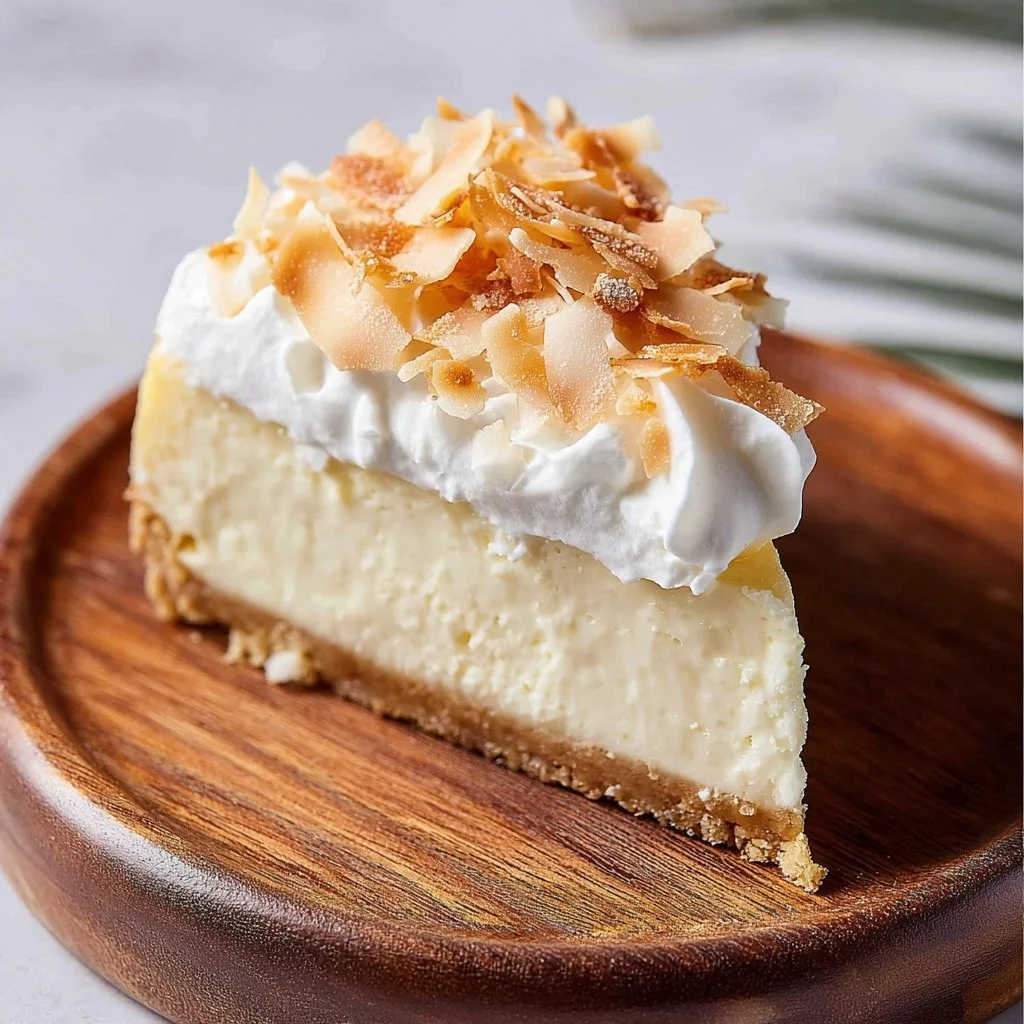
Coconut Cheesecake
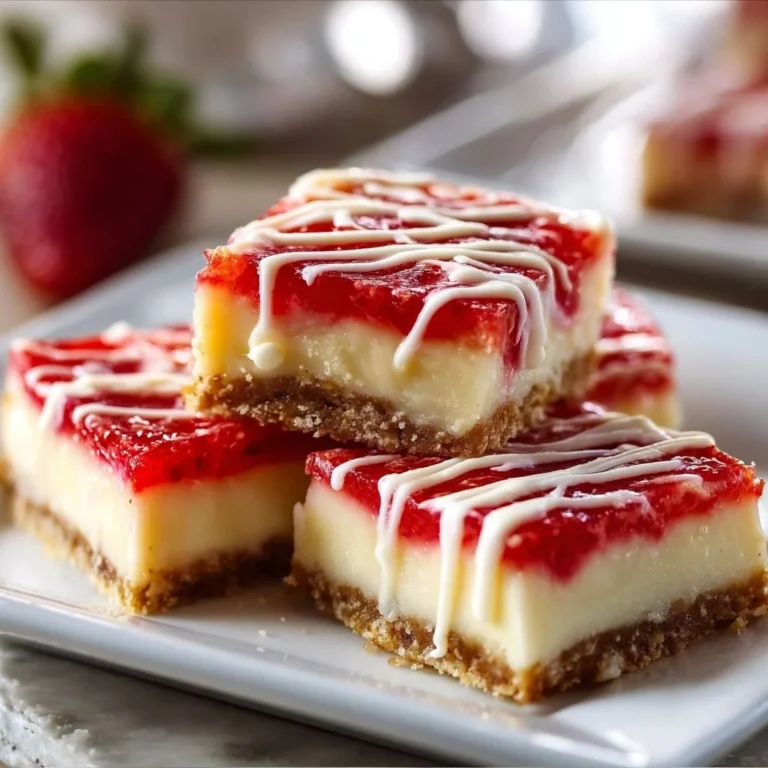
I still remember the first time I sliced into a perfectly set coconut cheesecake—the aroma of warm toasted coconut, the clean, tangy cream cheese silk against a whisper of buttery graham crust—and how a simple dessert could feel like an elegant vacation on a plate. Many home cooks hesitate because cheesecake sounds fussy, time-consuming, or temperamental, but this version is forgiving and straightforward: a rich cream cheese filling softened with coconut milk and stabilized with a touch of cornstarch for a reliably smooth set. I’ll show you how to get restaurant-quality results without complicated techniques, and if you enjoy compact, bar-style desserts you might also appreciate my take on kinder cheesecake bars for a quick, crowd-pleasing alternative.
A Quick Look at This Coconut Cheesecake Recipe
Coconut Cheesecake pairs velvety cream cheese with creamy coconut milk and a crisp graham cracker crust—two standout ingredients that define its tropical, balanced flavor. The recipe gives you beautiful presentation with a luscious, sliceable texture thanks to a small amount of cornstarch in the filling. It’s versatile for entertaining or a weekend bake: impressive on the table yet approachable for cooks of any level. The technique of baking in a water bath ensures a crack-free, smooth top—read on to learn the few simple moves that make it sing.
Ingredients You’ll Need for Coconut Cheesecake
Essentials
- 3 (8-ounce) boxes cream cheese, room temperature — Use full-fat cream cheese for the richest, silkiest texture; allow it to soften to room temperature so it whips smooth without lumps.
- 1 cup white granulated sugar — Balances the tang of the cheese without overwhelming the coconut notes.
- 3 large eggs, room temperature — Eggs provide structure and a tender, custard-like body when baked gently.
- 1/2 cup coconut milk — Choose canned coconut milk (not the thin beverage) for creaminess and a true coconut presence. Shake the can and spoon the liquid into your bowl; the extra fat helps the cheesecake feel indulgent.
- 1 tablespoon cornstarch — A small stabilizer that gives the filling body and helps keep the texture creamy yet sliceable.
- 1 1/2 cups graham crackers, crushed — The foundation: fresh, crunchy, slightly sweet. You can pulse whole crackers in a food processor or place them in a sealed bag and crush with a rolling pin.
- 4 tablespoons salted butter, melted — Salted butter gives the crust depth and balances sweetness; cool slightly before mixing with crumbs.
Optional Add-ons
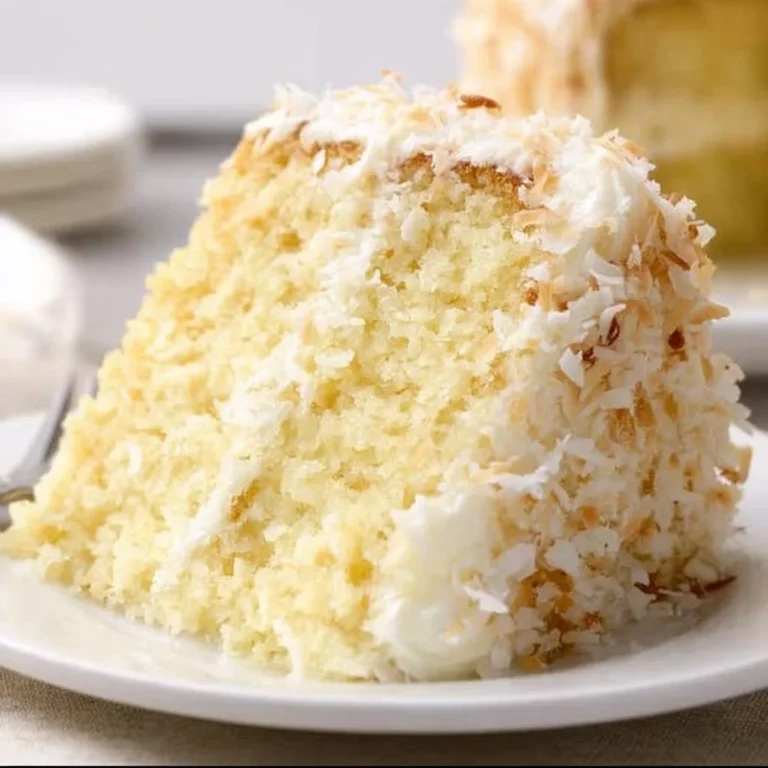
- Shredded coconut, toasted — Adds a toasty crunch and visual drama. Toast in a dry skillet over medium heat until golden and fragrant.
- Cool Whip or lightly sweetened whipped cream — For an airy crown that contrasts the dense cheesecake. If you prefer fresh whipped cream, whip heavy cream with a tablespoon of sugar and a splash of vanilla.
- Lime or lemon zest — A little citrus zest brightens the coconut and tangy cream cheese for a fresher profile.
- Vanilla extract — A teaspoon of pure vanilla will round the flavors and add warmth.
- A drizzle of caramel or mango coulis — For a more indulgent finish that pairs beautifully with coconut.
Substitutions and Shortcuts
- Crust shortcut: Use store-bought graham cracker crusts if you’re short on time—just press the filling in and bake as directed, though homemade crusts yield the best fresh crunch.
- Coconut milk swap: If you don’t have canned coconut milk, full-fat dairy milk can work in a pinch, but the coconut flavor will be muted; consider adding 1 teaspoon of coconut extract.
- Lower-sugar option: Reduce sugar to 3/4 cup for a less sweet, more tang-forward cheesecake—sugar also affects texture slightly, so avoid drastic reductions.
- Light version: Use Neufchâtel or reduced-fat cream cheese cautiously; texture and set will be slightly softer.
- Make-ahead convenience: This cheesecake stores well and actually benefits from chilling, so make it a day ahead and spend less time on dessert day.
How to Make Coconut Cheesecake Step-by-Step
Prepare the oven and pan
Preheat your oven to 350°F. Position a rack in the lower third of the oven so the water bath will heat evenly without splashing. I use a 10-inch springform pan because it gives generous slices and a nice height; wrap the bottom and sides in aluminum foil if your springform isn’t leak-proof—the water bath should not seep into the pan.
Why this matters: A steady oven temperature and a protected pan help the cheesecake bake evenly and prevent cracks.
Make the crust
Combine 1 1/2 cups crushed graham crackers with the 4 tablespoons of melted, slightly cooled salted butter in a medium bowl. Stir until the crumbs are uniformly moistened; they should hold together when pressed. Press the mixture firmly and evenly into the bottom of the prepared springform pan—use the bottom of a measuring cup for a smooth, compact surface. Bake the crust for 8–10 minutes to set it and deepen the flavor, then remove and let it cool slightly while you make the filling.
Why this matters: Pre-baking the crust prevents sogginess and enhances the buttery aroma, giving each slice a satisfying textural contrast.
Make the filling
In a stand mixer fitted with the paddle (or a large bowl with a hand mixer), beat the room-temperature cream cheese on medium speed until smooth and free of lumps—about 2 to 3 minutes. Scrape down the bowl to ensure even mixing. Add the sugar and continue to beat until glossy. Add the eggs one at a time, mixing gently after each addition so you don’t over-incorporate air. Pour in the coconut milk and sprinkle the tablespoon of cornstarch over the surface before mixing again on low—this prevents lumps and integrates the starch evenly.
Why this matters: Beating the cream cheese smooth removes lumps and creates a satiny filling, while adding eggs slowly and mixing on low reduces trapped air that can cause cracks or an uneven surface.
Assemble and smooth
Pour the filling over the warm crust and smooth the top with an offset spatula or the back of a spoon. Tap the pan gently on the counter a couple of times to release large air pockets—don’t overdo it, just enough to settle the filling.
Why this matters: A level surface bakes evenly and looks polished when sliced.
Bake in a water bath
Place the springform pan on a rimmed cookie sheet to catch any potential leaks. Put the cookie sheet into the oven and carefully pour 1 1/2 cups of hot (not boiling) water into the rimmed tray so it forms a shallow water bath around the springform. Bake for 55–60 minutes until the edges are set and the center is only slightly jiggly when you gently shake the pan—like gelée, not liquid.
Why this matters: The water bath creates a moist, gentle heat that prevents the cheesecake from puffing, cracking, or drying out—key to that silky texture.
Cool gently and chill
When the bake time is complete, turn off the oven and crack the door open slightly. Let the cheesecake cool in the oven for one hour; this gradual temperature change helps prevent cracks. After an hour, remove the pan and let it come to room temperature briefly, then cover loosely with plastic wrap and refrigerate for at least 4 hours, preferably overnight.
Why this matters: Slow cooling and sufficient chilling allow the proteins and starch to set properly, producing clean slices and a creamy mouthfeel.
Finish and serve
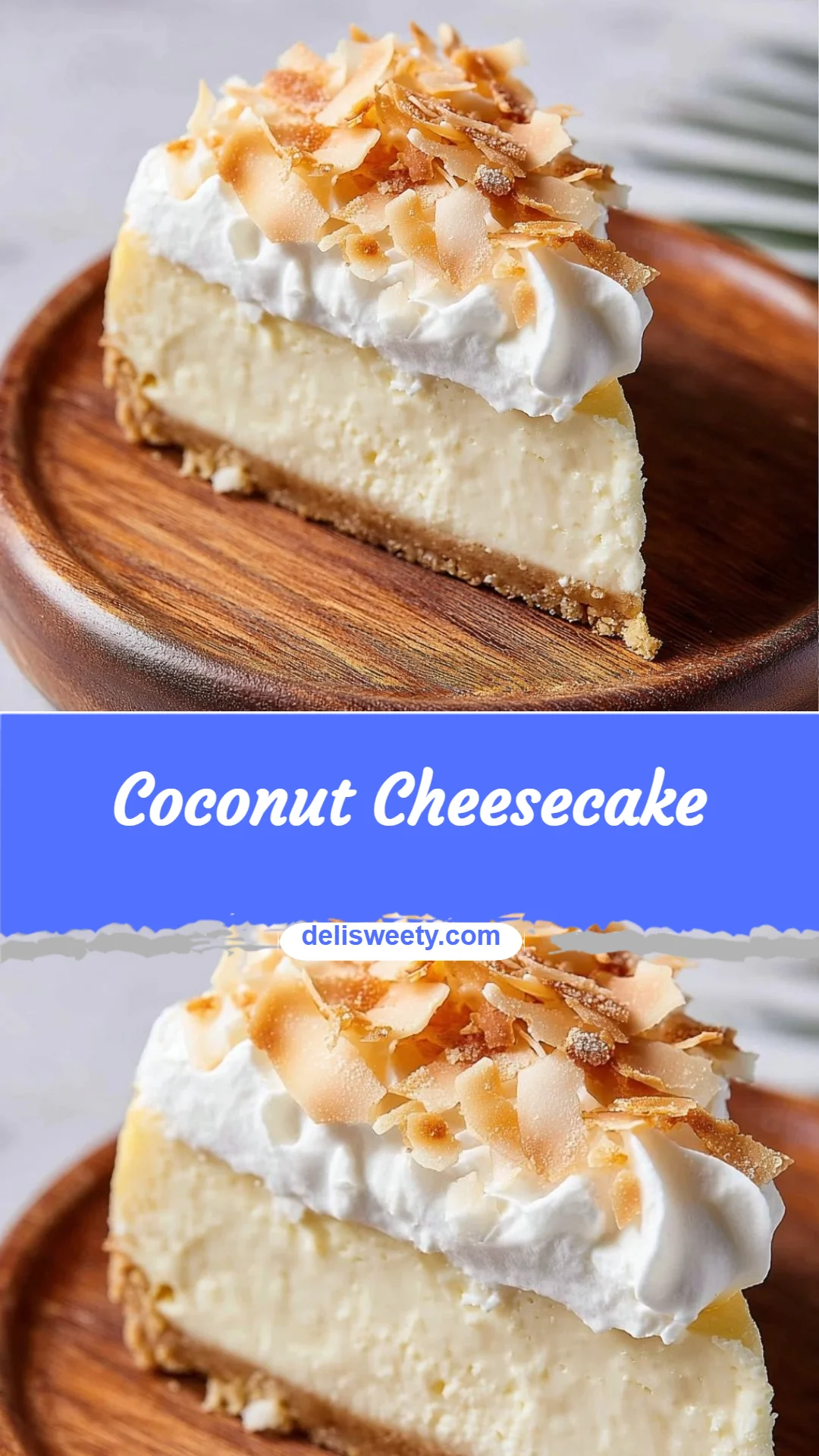
Before serving, run a thin knife around the edge to loosen the cheesecake from the pan and remove the springform ring. Top with a generous spoonful of Cool Whip or freshly whipped cream and scatter toasted shredded coconut for texture and aroma. For a refined touch, shave a little lime zest over the top or arrange thin coconut chips for height.
Why this matters: Toasted coconut and bright zest lift the richness, and a proper chill ensures neat, restaurant-style slices.
Common Mistakes to Avoid
Even experienced bakers make predictable mistakes; consider them learning moments. With a few mindful choices—controlling temperature, handling ingredients gently, and giving the cheesecake time to rest—you’ll avoid the common pitfalls that cause cracked tops, soggy crusts, or weeping fillings.
Mistake 1: Overbeating the filling
If you whip the cream cheese mixture too vigorously or for too long, you’ll incorporate excess air that expands in the oven and causes cracks. Beat just until smooth, add eggs one at a time, and finish with a low-speed stir after adding the coconut milk and cornstarch.
Mistake 2: Skipping the water bath
Baking cheesecake without a water bath increases the risk of a dry, uneven set and a cracked top. The water bath stabilizes oven temperature and creates steam that produces a silky, uniform interior—don’t skip it unless you’re making small, individual cheesecakes with different timing.
Mistake 3: Serving too soon
Cheesecake needs time to firm up. Cutting into it while warm or only slightly chilled will yield a loose, imperfect slice. Plan ahead: the texture improves after at least 4 hours in the fridge and often reaches its peak after overnight chilling.
Serving Suggestions for Coconut Cheesecake
Coconut Cheesecake presents beautifully on its own, but a thoughtful finish and pairing will elevate the experience—think texture contrast, bright accents, and an elegant plate.
Tropical brunch or poolside dessert
Serve slices with a spoonful of mango or passion fruit coulis and a scattering of toasted coconut. The bright acidity of tropical fruit balances the richness and creates a sunny, celebratory plate.
Elegant dinner-party finale
Top each slice with a quenelle of lightly sweetened whipped cream, a few thin lime zest curls, and a tiny edible flower or crisp coconut chip. Serve with freshly brewed coffee or a chilled decaf for an understated, sophisticated close to the meal.
Casual family gathering
Keep it simple: a generous dollop of Cool Whip, a sprinkle of toasted coconut, and a side of mixed berries for freshness. Cut larger slices—the texture and flavor are always crowd-pleasers.
Conclusion
I’m confident this Coconut Cheesecake recipe will become a trusted showpiece in your baking repertoire—offering that luxurious, restaurant-quality texture with a straightforward, home-friendly method. It’s flexible enough to adapt to seasonal toppings or scaled-down for smaller gatherings, and every step leans toward reliability and flavor. If you’d like to compare a different coconut-forward approach, you can explore My Baking Addiction’s Coconut Cheesecake recipe for another inspiring take. Try it this weekend and savor the way a simple idea—cream cheese, coconut, and care—transforms into something memorably elegant.
FAQs About Coconut Cheesecake
I recommend storing Coconut Cheesecake covered in the refrigerator for up to 4–5 days. Keep it airtight to preserve texture and prevent it from absorbing other odors. For best slices, serve cold straight from the fridge.
Yes—Coconut Cheesecake freezes well. After the cheesecake has fully chilled, wrap it tightly in plastic wrap and then foil, or freeze individual slices on a tray before bagging. It will keep for up to 2 months. Thaw overnight in the refrigerator for best texture.
You can, but a springform pan makes release effortless and preserves the edges. If you don’t have one, use a regular cake pan lined with parchment and serve directly from the pan; chilling well will still give you clean slices.
Cracks are usually caused by overbeating, rapid temperature changes, or baking too long. Mix gently, use a water bath to moderate oven heat, and allow the cake to cool gradually in the oven with the door ajar. A light patch of whipped cream can also disguise minor imperfections if they occur.
For more coconut aroma without altering texture, fold in a tablespoon of coconut extract or increase toasted shredded coconut as a topping. Using full-fat canned coconut milk instead of beverage-style milk preserves the creamy texture while intensifying coconut notes.
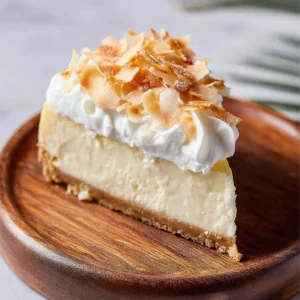
Coconut Cheesecake
Ingredients
Essentials
- 24 ounces cream cheese, room temperature Use full-fat for best texture.
- 1 cup white granulated sugar Balances the tanginess.
- 3 large eggs, room temperature Provides structure.
- 1/2 cup coconut milk Use canned for creaminess.
- 1 tablespoon cornstarch Stabilizes the filling.
- 1 1/2 cups graham crackers, crushed Freshly crushed for best texture.
- 4 tablespoons salted butter, melted Adds depth to the crust.
Optional Add-ons
- 1/2 cup shredded coconut, toasted Adds texture and presentation.
- 1 cup Cool Whip or sweetened whipped cream For topping.
- 1 teaspoon vanilla extract Enhances flavor.
- 1 tablespoon lime or lemon zest For a fresh profile.
Instructions
Preparation
- Preheat the oven to 350°F and position a rack in the lower third.
- Wrap the bottom of a 10-inch springform pan in aluminum foil.
Make the crust
- Mix crushed graham crackers with melted butter until moistened.
- Press the mixture into the bottom of the springform pan.
- Bake the crust for 8–10 minutes; let cool slightly.
Make the filling
- Beat room-temperature cream cheese until smooth.
- Add sugar and beat until glossy.
- Add eggs one by one, mixing gently.
- Mix in coconut milk and cornstarch until well combined.
Assemble and smooth
- Pour the filling over the crust and smooth the top.
Bake in a water bath
- Place pan on a cookie sheet and add hot water to the tray.
- Bake for 55–60 minutes until edges are set.
Cool gently and chill
- Let the cheesecake cool in the oven with the door slightly open for 1 hour.
- Refrigerate for at least 4 hours before serving.
Finish and serve
- Run a knife around the edge and remove the ring.
- Top with Cool Whip and toasted coconut before serving.